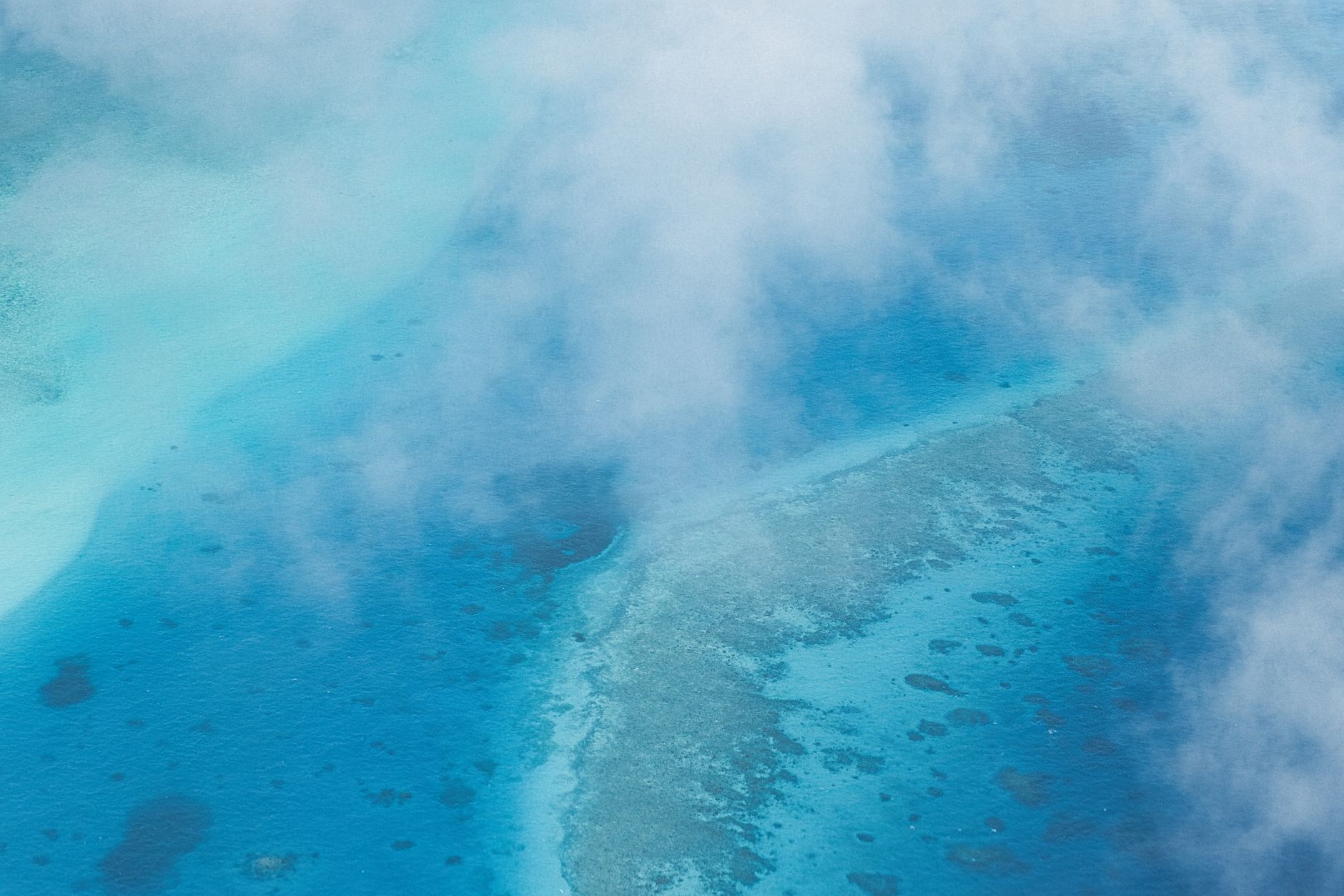
Cairns itself is a small city — what matters isn't what's inside it, it's what leaves from it. It's the logistics base for the Great Barrier Reef, the world's oldest tropical rainforest, and a mountain village reachable by historic train. This guide is built around that: less "what to do in the city," more "how to plan the trips that make it worth coming."
If you haven't planned the rest of your itinerary yet, the complete Australia travel guide helps you fit this region into a bigger trip.
What to see
- Great Barrier Reef — the #1 reason people come to Cairns. Day tours leave from the Marlin Marina/Reef Fleet Terminal downtown, with snorkeling and/or diving options. One filter that helps narrow it down: operators with eco certification (Ecotourism Australia) have gone through a sustainability assessment and get longer operating licences from the Great Barrier Reef Marine Park Authority — it's not a requirement to operate (any licensed operator can take tourists to the reef), but it's a good quality signal when comparing options.

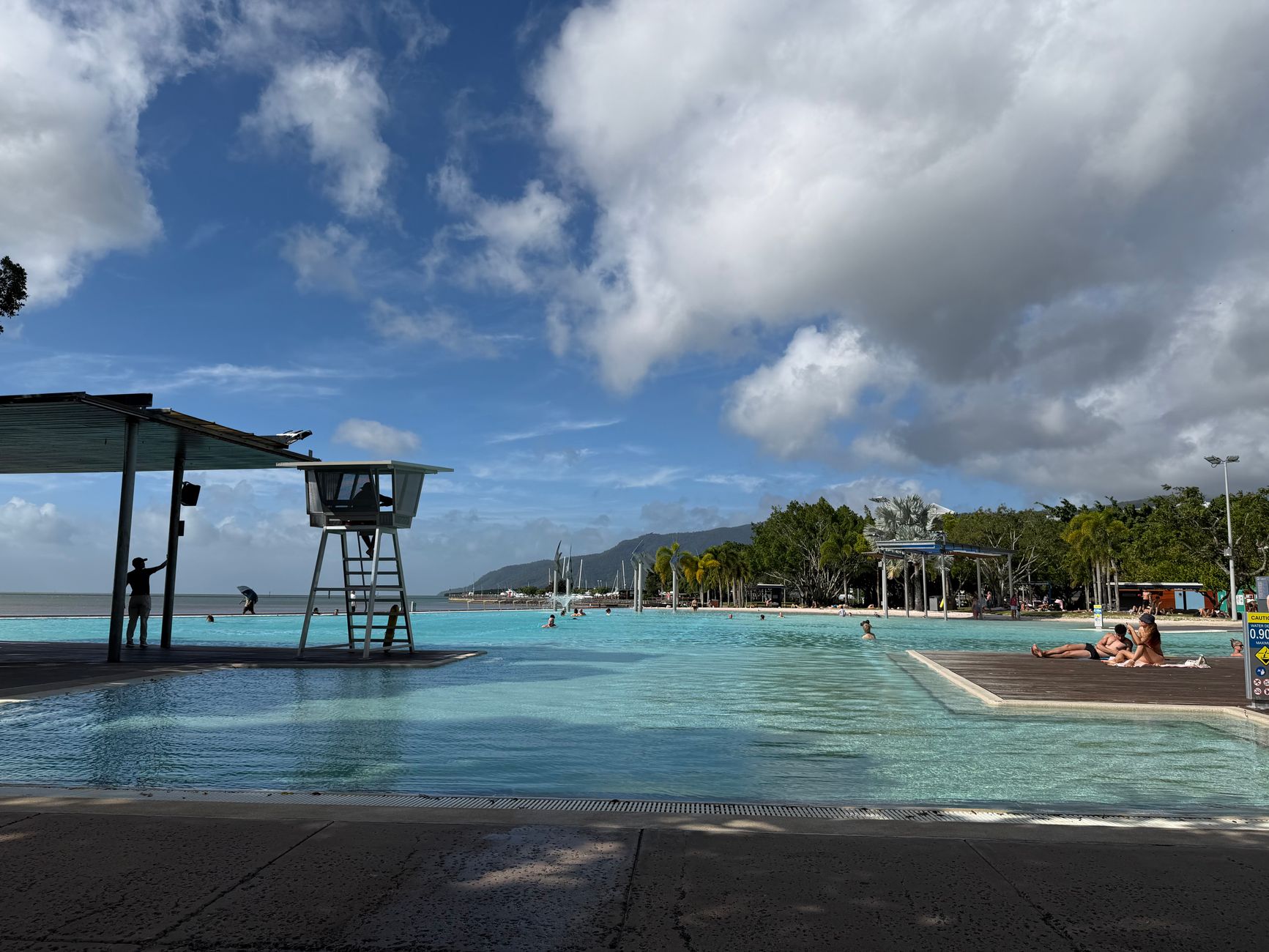
- Cairns Esplanade Lagoon — a free public swimming pool right on the waterfront, in the city centre. It's not just a nice extra: Cairns' beaches aren't safe to swim in for much of the year because of jellyfish season (November to May) — the lagoon is the year-round safe alternative, open from 6am to 9pm (Wednesdays it only opens at midday, for maintenance).
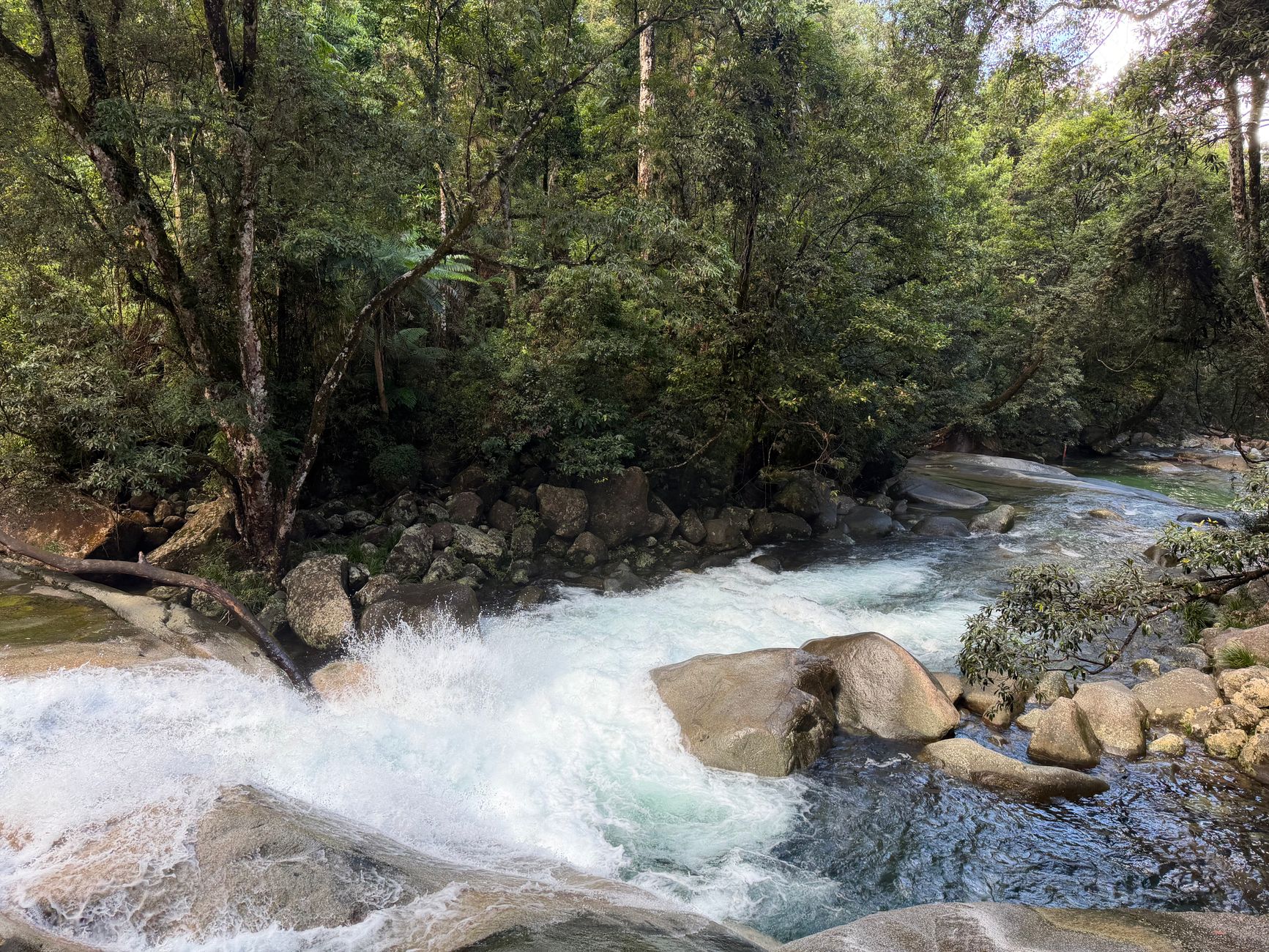
- Daintree Rainforest and Cape Tribulation — the world's oldest tropical rainforest, with a Daintree River cruise (crocodiles, birds) and a beach stop at Cape Tribulation. About a 2.5-hour drive from Cairns.
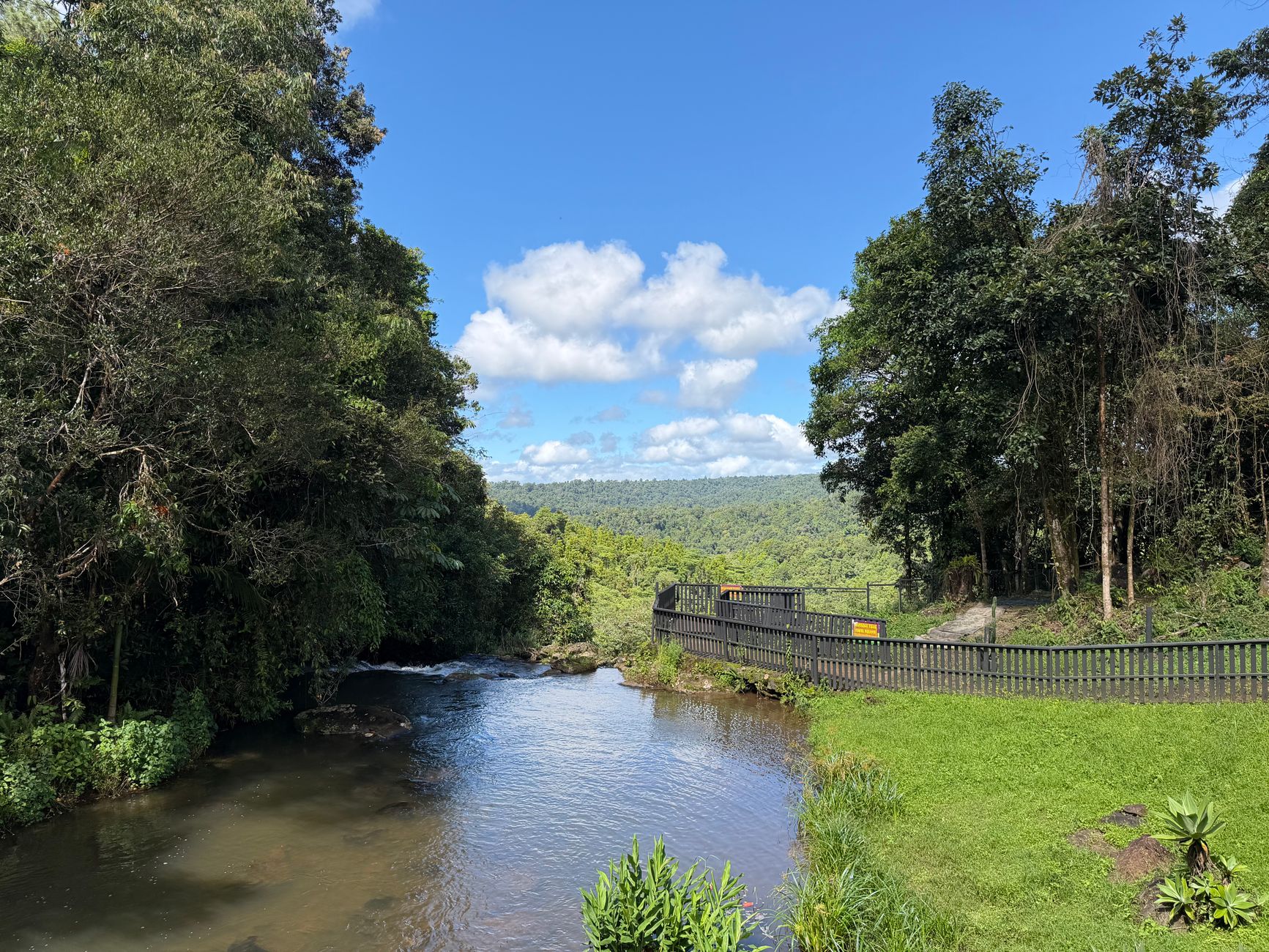
- Kuranda — a mountain village reached by the Kuranda Scenic Railway (a historic 1891 train, built as an engineering feat to connect the region to Cairns) or the Skyrail, a 7.5km cableway that was the longest in the world when it opened in 1995 — most people take one way there and the other way back. The village became a hippie commune hub in the 1960s-70s and today has two markets (Kuranda Original Rainforest Markets and Heritage Markets, Thursday to Sunday) with local crafts, jewellery and food. The Australian Butterfly Sanctuary, the largest free-flight butterfly enclosure in the Southern Hemisphere, is another common stop.
- Port Douglas — a quieter alternative base than Cairns, about an hour's drive away, also used as a departure point for the Reef. Macrossan Street is the main street, with restaurants and shops; Four Mile Beach, as the name says, has nearly 4 miles (6.5km) of sand. On Sunday mornings (from 8am) the Port Douglas Markets take over Anzac Park, a nearly 20-year tradition with local produce, crafts and food — going early means more options and less heat.
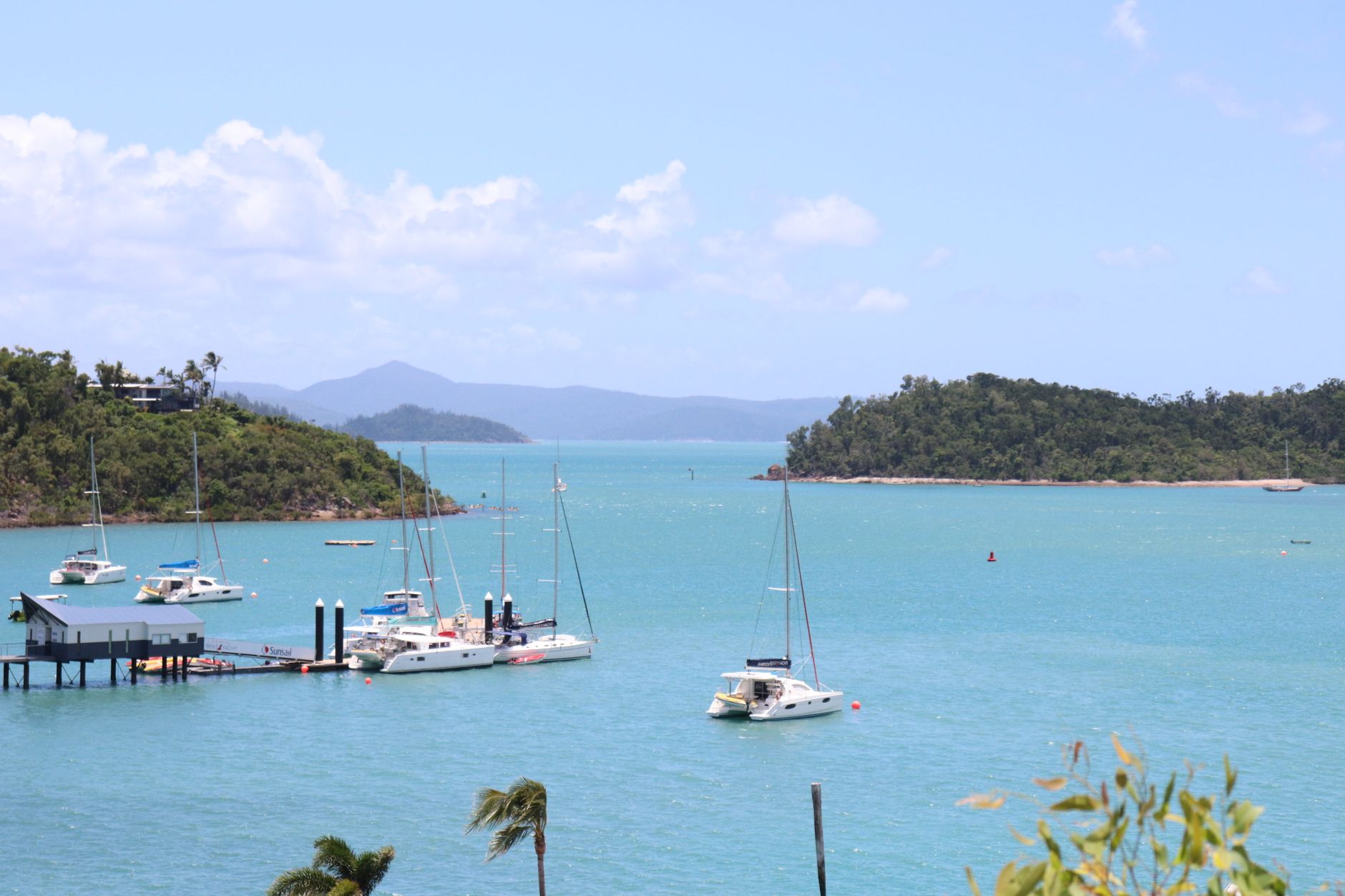
Great Barrier Reef: which tour to choose
"Doing the Reef" isn't a single kind of trip — there are quite different formats, with quite different prices and experiences too.
Day trip (the most common) — leaves Cairns in the morning (between 7:30am and 10am) and returns late afternoon, 3 to 5 hours at the reef itself. Includes snorkeling gear, a talk from a marine biologist, and lunch. It's the standard format for first-timers, tighter budgets, or anyone with only 1 day available.
Liveaboard (several nights on the boat) — instead of returning the same day, you sleep on the boat and spend several days visiting different parts of the reef, usually 2-3 nights, with longer options of 4-7. The real advantage: you can reach more remote parts of the reef that a day trip can't, and dive at different times (sunrise, night). It's for people who've already decided the Reef is the main focus of the trip.
Pontoon (fixed floating platform) — some operators use a floating platform permanently anchored on the outer reef, with a glass-bottom boat, semi-submersible, underwater observatory and sometimes even a diving helmet for people who aren't confident swimmers. It's the calmest option for families or anyone nervous about diving in open water.
You don't need certification to dive the Reef. The "Discover Scuba Diving" (intro dive) is an introductory dive with an instructor — a ~30-minute safety briefing, quick practice in shallow water, and then the real guided dive. Costs between AU$150 and AU$250 as an add-on to the day trip — worth deciding before booking, since not every package includes it.
| Profile | Best option |
|---|---|
| First time, tight budget, 1 day available | Day trip with snorkeling |
| Want to try diving without certification | Day trip + Discover Scuba Diving (add-on) |
| Reef is the main focus of the trip | Liveaboard |
| Traveling with family or not a confident swimmer | Pontoon |
Daintree and Cape Tribulation — the world's oldest rainforest
The Daintree is the world's oldest tropical rainforest — around 180 million years old, much older than the Amazon (the exact comparison varies by source, but the difference is tens of millions of years). Covering about 1,200 km², it's part of the "Wet Tropics of Queensland" UNESCO World Heritage region — the age is what stands out: biodiversity built up over a geological timeframe far longer than other tropical rainforests, including plant and animal species that don't exist anywhere else on the planet.
Cape Tribulation is the detail that makes the place unique: it's the point where two UNESCO World Heritage sites meet — the Daintree rainforest on one side, the Great Barrier Reef on the other, separated only by a strip of sand.
To enter the northern part of the Daintree, you have to cross the Daintree River on a cable ferry — the only one of its kind operating in tropical Australia, about 50km north of Port Douglas. The crossing takes about 5 minutes, with ferries running all day, from early morning until midnight.
Most people do it as a day tour from Cairns (around AU$175-195), with a Daintree River cruise (good chance of spotting a crocodile), a guided rainforest walk, and beach time at Cape Tribulation. You can also go on your own by rental car, but it requires attention to the ferry crossing and road conditions, which can close during heavy rain.
How to get there
Cairns Airport (CNS) receives international flights, but with fewer direct options than Sydney or Melbourne — most people arriving from overseas connect domestically from one of the bigger cities. Coming from South America, the most common route is to fly to Sydney or Brisbane and complete the trip with a domestic flight to Cairns.
Getting around
Cairns is small and walkable in the city centre. Tours to the Reef, Daintree and Kuranda generally include van transfers from the centre/hotels — renting a car usually isn't necessary, unless you want to go to Cape Tribulation on your own.
How much it costs
| Item | Price range |
|---|---|
| Hostel | AU$15–40/night |
| 3-4 star hotel | AU$140–230/night |
| Great Barrier Reef tour (day, snorkeling) | ~AU$105–280 (varies by operator and whether diving is included) |
| Kuranda (train + Skyrail) | ~AU$155 |
| Daintree/Cape Tribulation (day) | ~AU$175–195 |
| Cairns Esplanade Lagoon | Free |
The Reef tour is usually the most expensive item in a Cairns budget — worth booking ahead and comparing what each package includes (number of stops, equipment, meals) before deciding purely on the lowest price.
Base itinerary
3 days: day 1 — arrival and rest. Day 2 — Great Barrier Reef (full day). Day 3 — Kuranda (train + Skyrail).
5 days: the 3 days above, plus a day for Daintree/Cape Tribulation and an extra free day or a second Reef trip (some parts of the reef are only accessible on certain tours).
Comments
Have something to add or a question? Leave a comment below — your experience can help other immigrants in Australia.
Comments are public. You can delete yours from the same browser and device you used to post.
Loading comments…