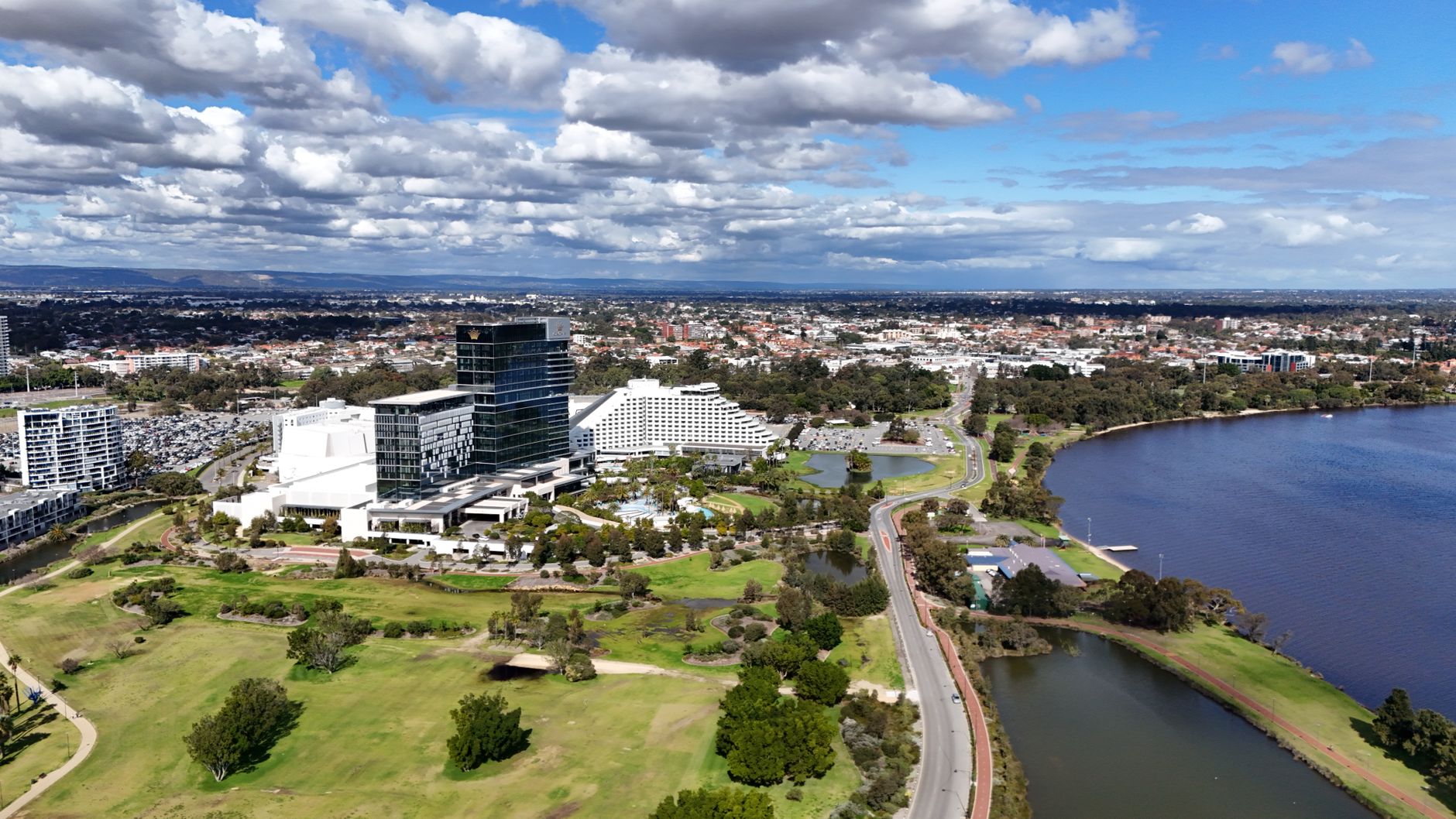
Perth is the country's most isolated city — the nearest capital is thousands of kilometres away. That means it almost never fits into the same itinerary as the east coast: if you're going to Perth, it's likely a trip dedicated just to it and the surrounding region, not a stop within a bigger route.
If you haven't planned the rest of your trip yet, the complete Australia travel guide explains why Perth usually sits outside the east coast route.
What to see
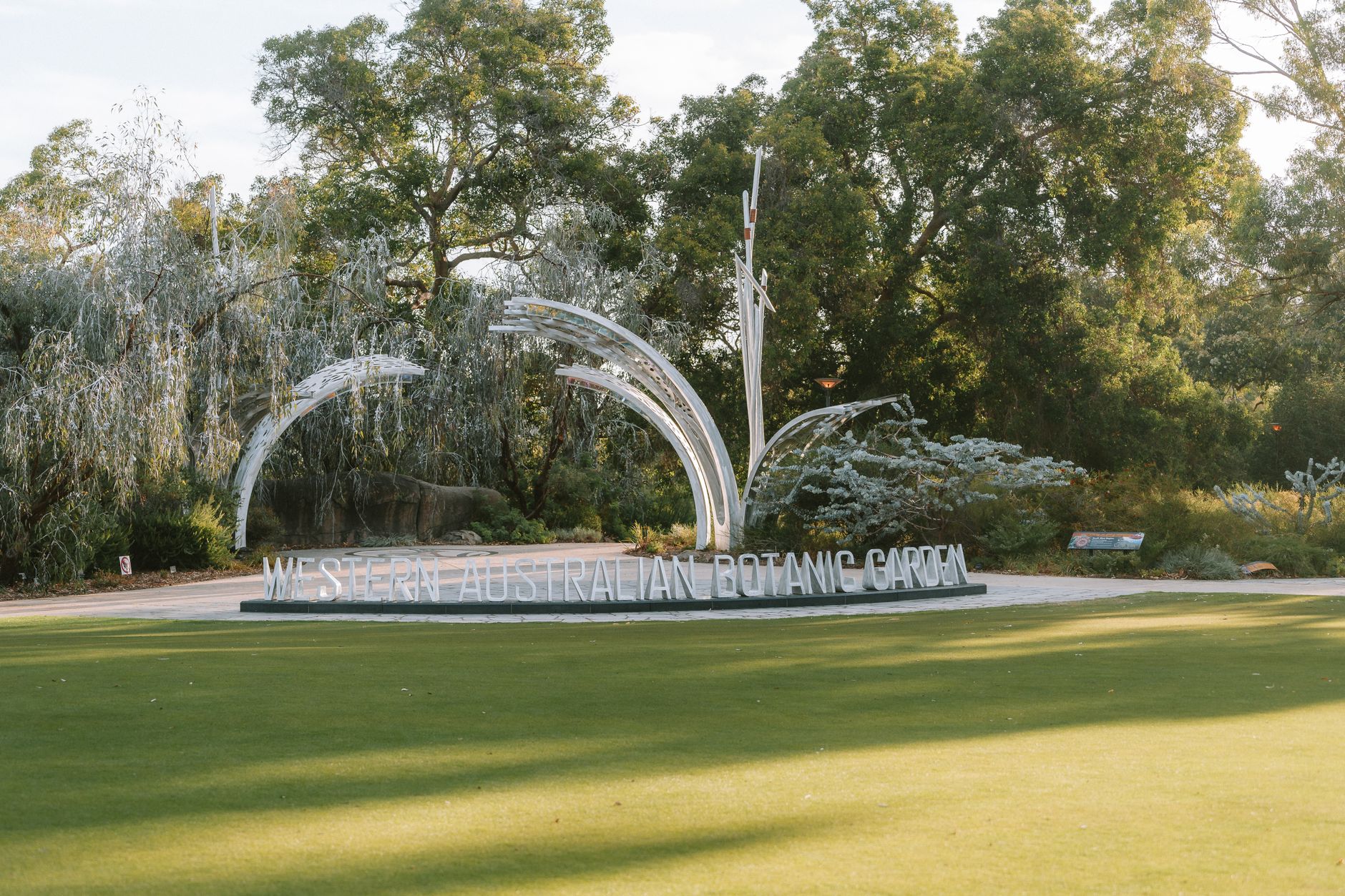
- Kings Park — one of the largest urban parks in the world, spanning more than 400 hectares (bigger than New York's Central Park), including the Western Australian Botanic Garden. Free entry, with views of the city and the Swan River. The land was set aside as a public park as far back as 1872. Inside it stands the State War Memorial, a 1929 monument honoring Australian soldiers, and the Lotterywest Federation Walkway, a 52-metre suspended glass-and-steel walkway through the eucalyptus canopy, with views of the Swan and Canning rivers.
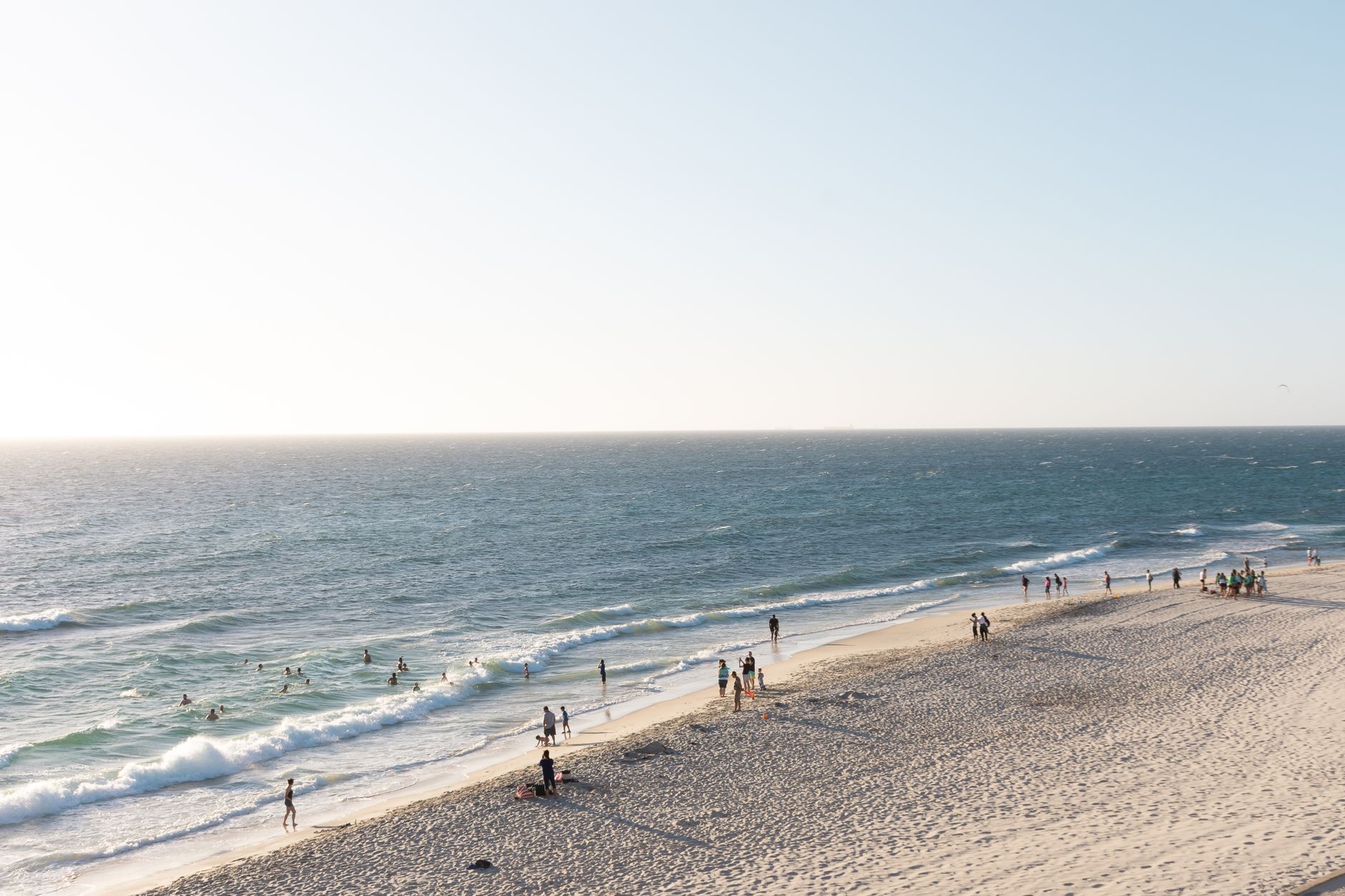
- Cottesloe Beach — Perth's best-known beach, calm water, good infrastructure, a sunset spot.
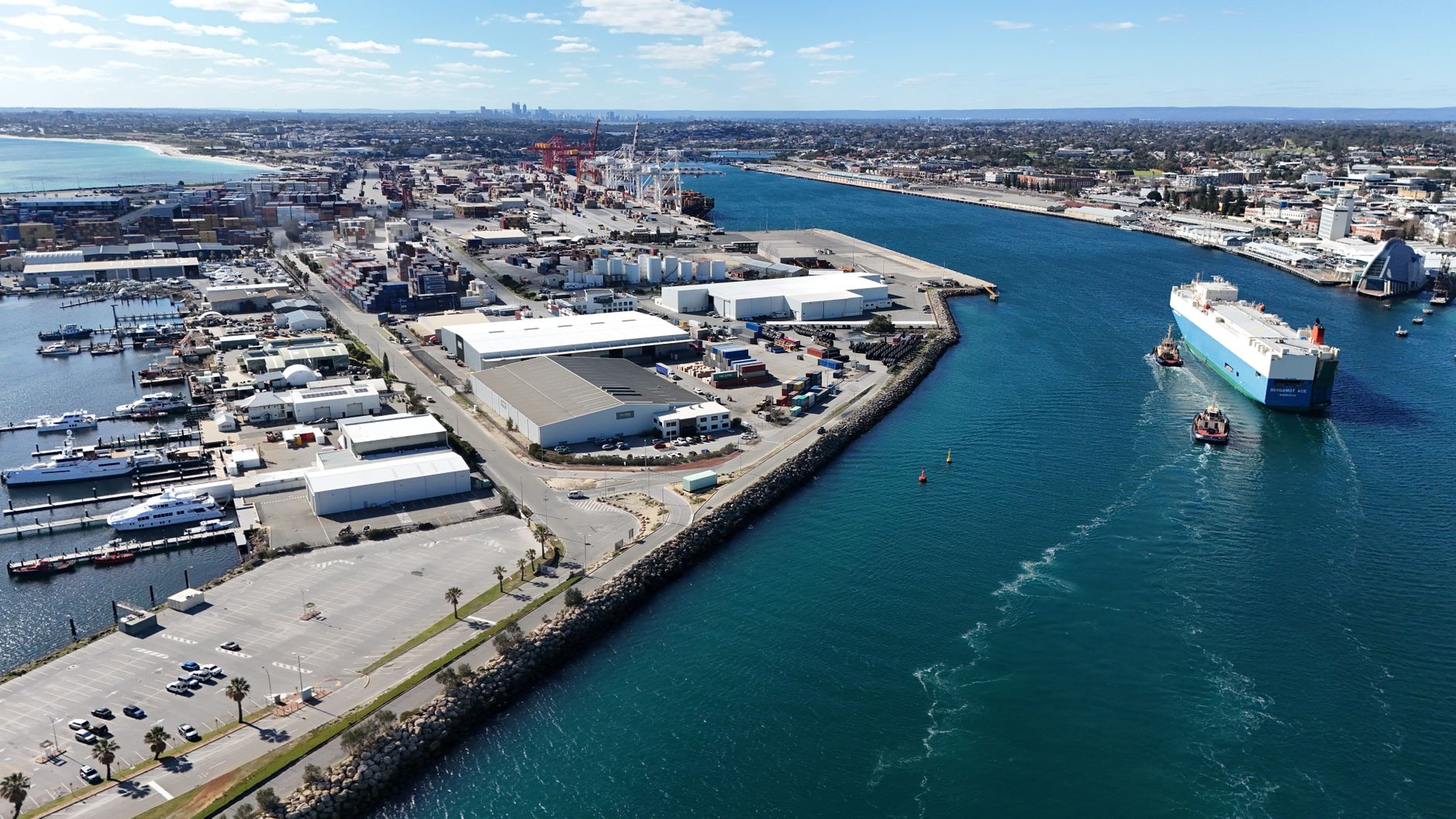
- Fremantle — a historic port about 30 minutes from the centre, 19th-century buildings, a market, a good bar and restaurant scene. Fremantle Prison, now a UNESCO World Heritage convict site, was built by convict labour between 1852 and 1859, using limestone quarried on site — nearly 10,000 prisoners passed through it between 1850 and 1868. The Round House, from 1831, is Western Australia's oldest public building: it started as a prison and later became a police lockup until 1900.
- Rottnest Island (day trip) — a car-free island, famous for its quokkas.
- Margaret River (day trip or 2-3 days) — wine region, surf beaches and caves.
Rottnest Island — quokkas, bikes and snorkeling
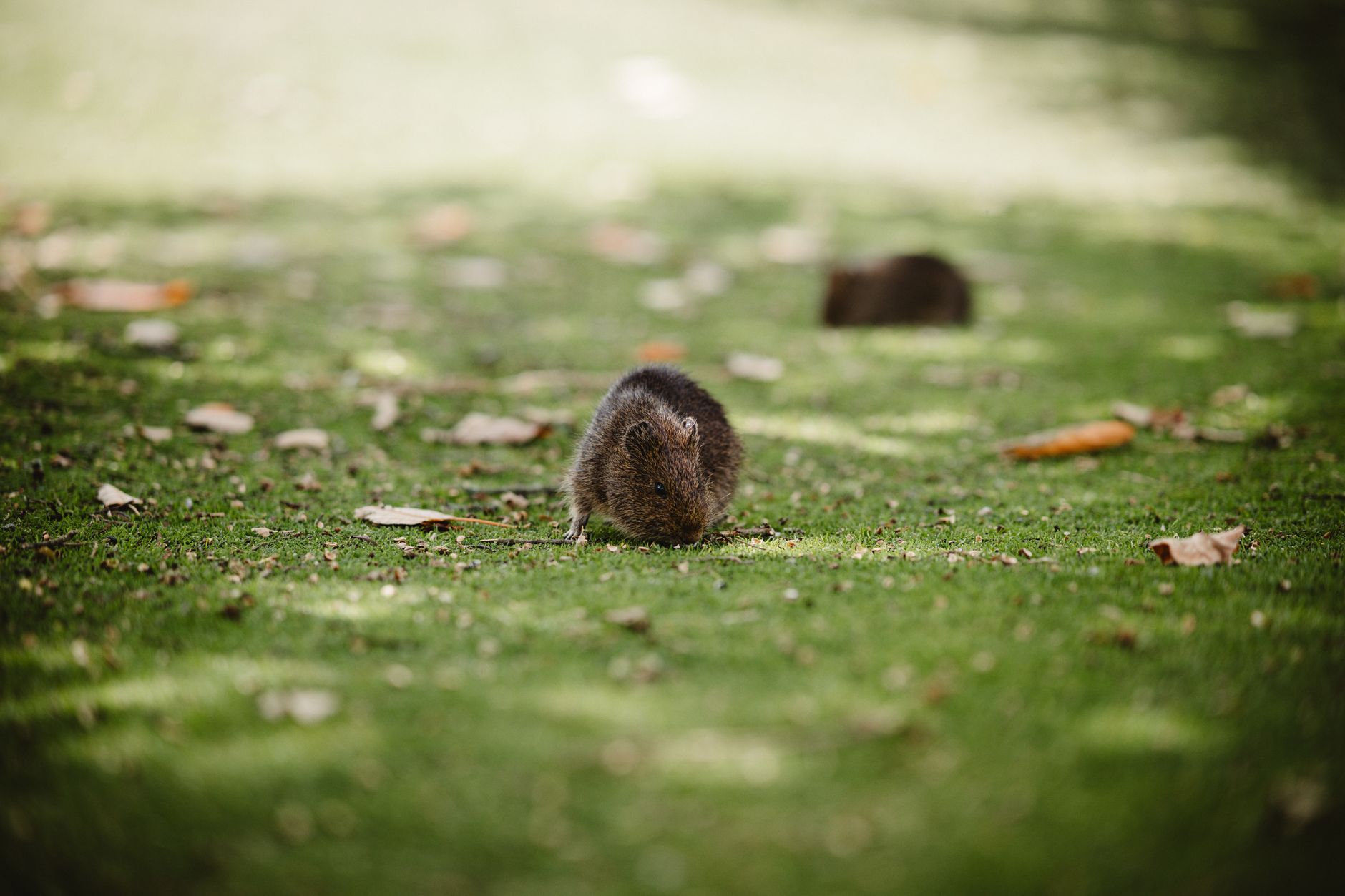
Rottnest Island became famous on social media for its quokkas — a small marsupial, found only in this part of Australia, that always seems to smile for the camera. But the island is worth it well beyond the selfie: there are no private cars (only bikes, a local bus and a few commercial vehicles), and the clear-water beaches are among the best in the Perth region for snorkeling — Parker Point and Salmon Bay are the most recommended spots.
Renting a bike is the most common way to get around, around AU$36 for a full day (adult), helmet included — there are also baby seats and kid trailers. To get the classic quokka photo, the usual approach is to crouch down to the animal's level (they don't scare off easily) — never touch or feed them, they're wild animals even though they seem tame.
| Leaving from | Crossing time |
|---|---|
| Fremantle | ~25 min (fastest) |
| Hillarys Boat Harbour | ~45 min |
| Perth CBD (Barrack Street) | ~90 min |
Leaving from Fremantle — the fastest and also cheapest option — the round-trip ferry costs around AU$85-92 (same-day return). Leaving directly from Perth's centre, the price goes up to around AU$130-137, since the crossing is longer. It's worth considering taking the train to Fremantle (covered by Transperth) before catching the ferry, if the goal is to save money. Base 1-day itinerary: ferry in the morning, bike rental, beach/snorkeling at Parker Point or Salmon Bay, return in the afternoon.
Margaret River — wineries, beaches and caves
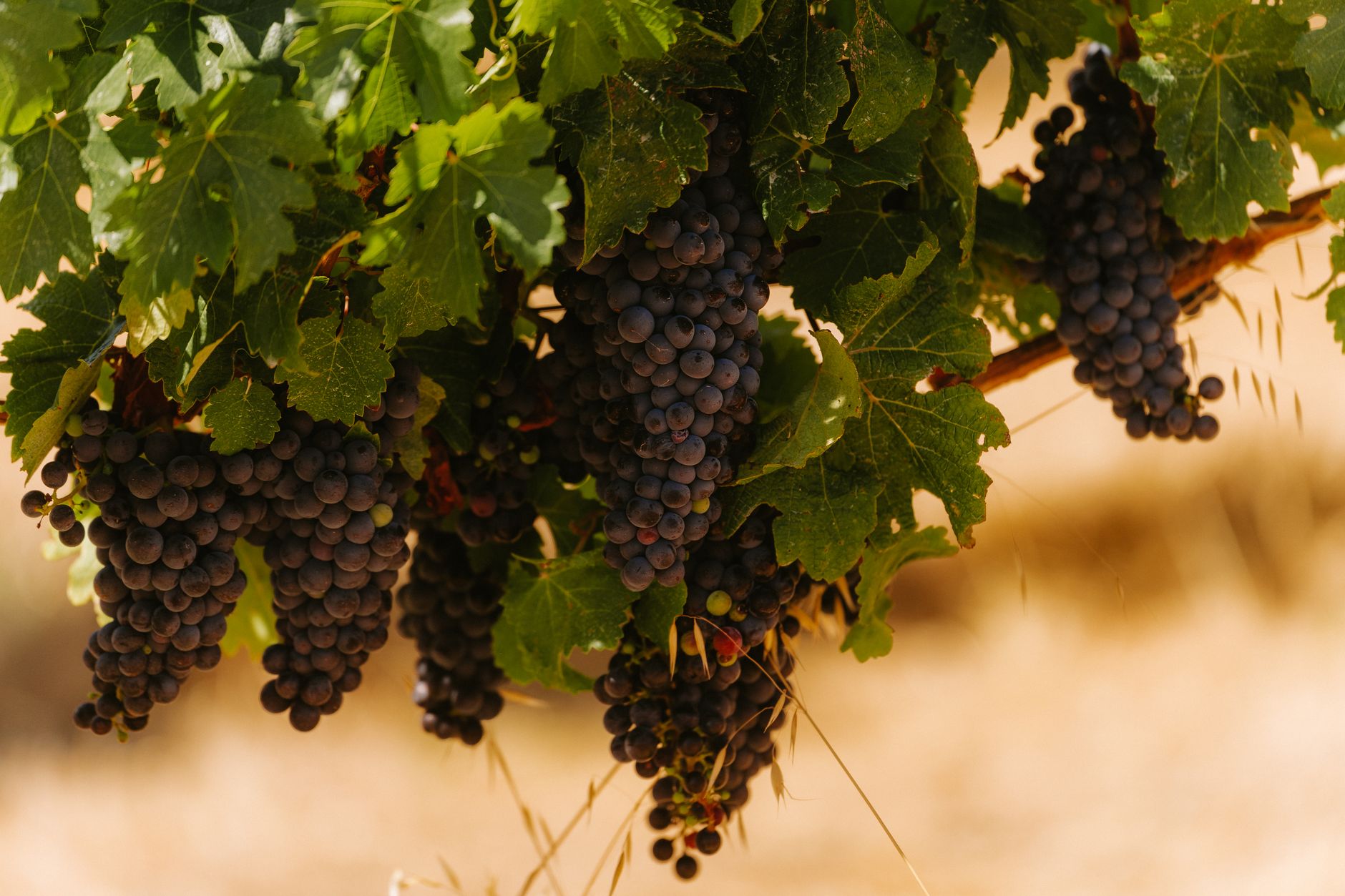
Margaret River is Western Australia's main wine region — and a curious case: it accounts for less than 3% of the country's vineyards, but produces around 20% of Australia's premium wine. More than 100 cellar doors are spread across the region, most of them along Caves Road, the scenic route that connects the main attractions — it receives more than 1.5 million visitors a year.
Beyond the wine, some of the region's best surf breaks are a 10-minute drive from the wineries — Surfer's Point hosts stops on the world surfing championship (WSL), worth seeing even if you don't surf, just to watch the level of the waves. The same Caves Road also gives access to underground caves open for visits, like Lake Cave and Jewel Cave — quite a contrast to the rest of the wine-and-beach itinerary.
About 270km south of Perth, roughly 3 hours by car via the Forrest Highway. There's no direct public transport that covers the region well; a rental car is practically essential to enjoy wineries and beaches in the same day. As a day trip from Perth (1 day) it's demanding but doable — head out in the morning, a few wineries plus a beach or cave, return at night. With 2-3 days, the pace is much more relaxed.
How to get there
Perth receives international flights directly, but — as with every other city in this guide — there's no direct flight from South America. The difference here is the distance within the country itself: Sydney-Perth is about a 5-hour flight, Melbourne-Perth around 4h25 — further than most international flights within South America.
How much it costs
| Item | Price |
|---|---|
| Hostel | AU$15–40/night |
| 3-4 star hotel | AU$140–230/night |
| Ferry to Rottnest Island (round trip, from Fremantle) | ~AU$85–92 |
| Ferry to Rottnest Island (round trip, from Perth's centre) | ~AU$130–137 |
| Bike rental at Rottnest (full day) | ~AU$36 |
| Kings Park | Free |
Base itinerary
3 days: day 1 — Kings Park and the centre. Day 2 — Fremantle. Day 3 — Rottnest Island (full day).
5 days: the 3 days above, plus 1 day for Margaret River (day trip) and 1 extra day for Cottesloe/other beaches.
Comments
Have something to add or a question? Leave a comment below — your experience can help other immigrants in Australia.
Comments are public. You can delete yours from the same browser and device you used to post.
Loading comments…