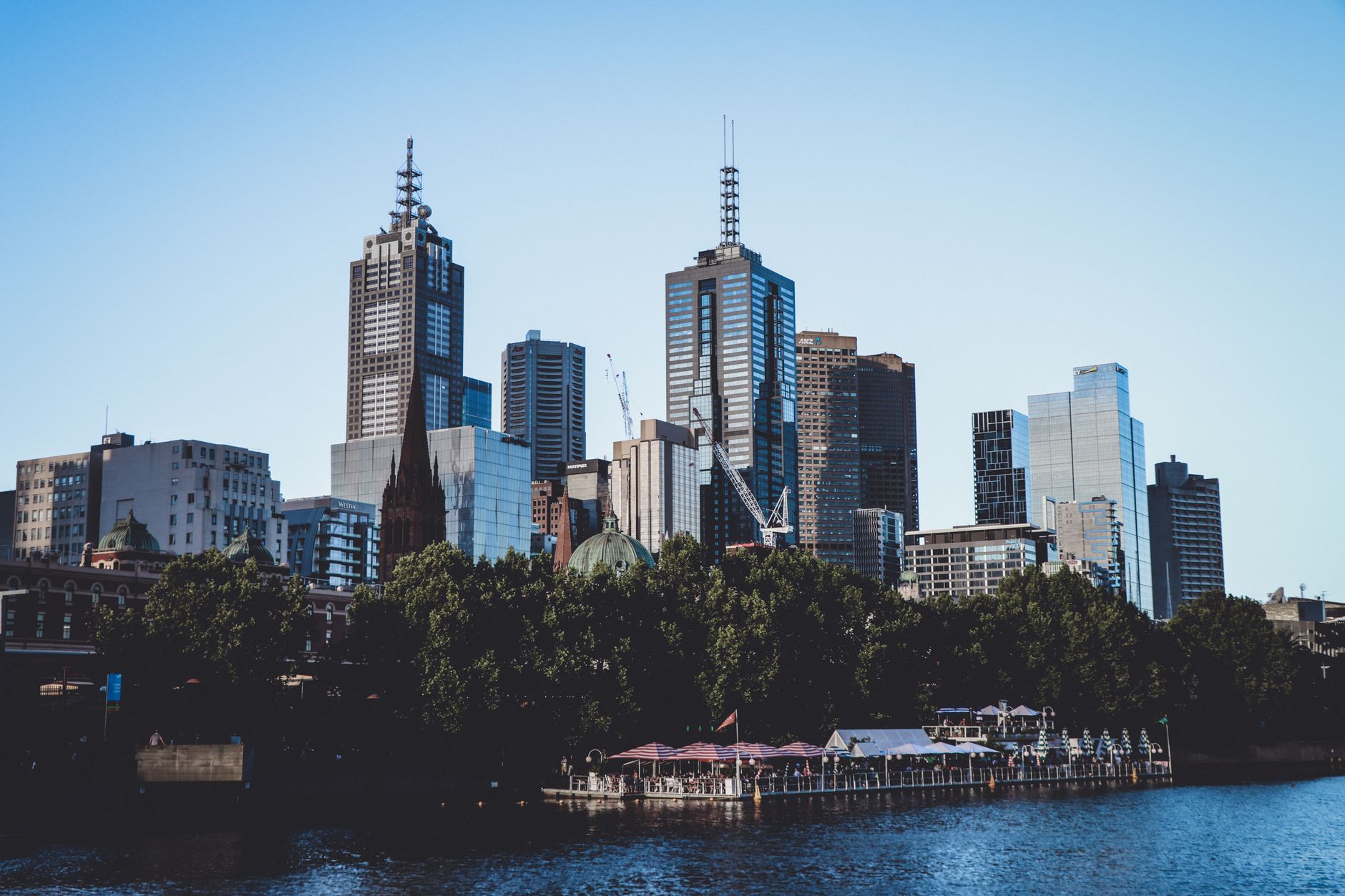
If Sydney is the postcard, Melbourne is the city that people who've visited Australia more than once tend to prefer — less about a single big attraction, more about culture, coffee, food and laneways full of street art. It's a city to wander without a rush, not to tick items off a list.
If you haven't planned the rest of your itinerary yet, the complete Australia travel guide helps you fit Melbourne into a bigger trip.
What to see
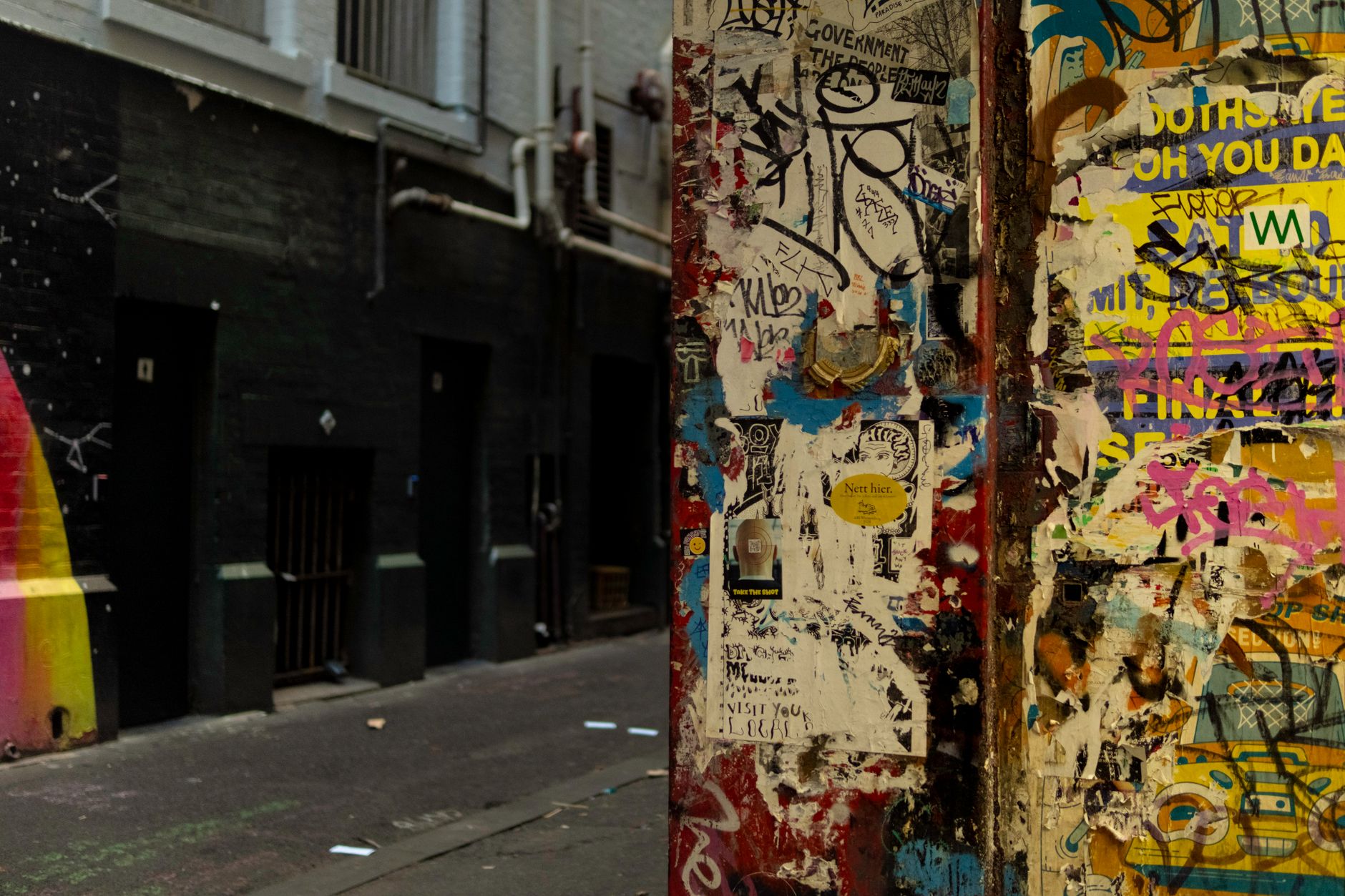
- Laneways and street art — Hosier Lane is the most famous, gaining fame on the global street art scene in the 1990s and having hosted work from names like Banksy (the "Parachuting Rat," from 2003, was accidentally painted over in 2010 and became local legend). In the 19th century it was an opium den and prostitution spot before becoming an open-air gallery. AC/DC Lane, nearby, is a tribute to the band — it even has a Bon Scott sculpture. It's a free visit, doable on your own or with a guided tour — the graffiti changes often, so the "artwork" is never the same twice.
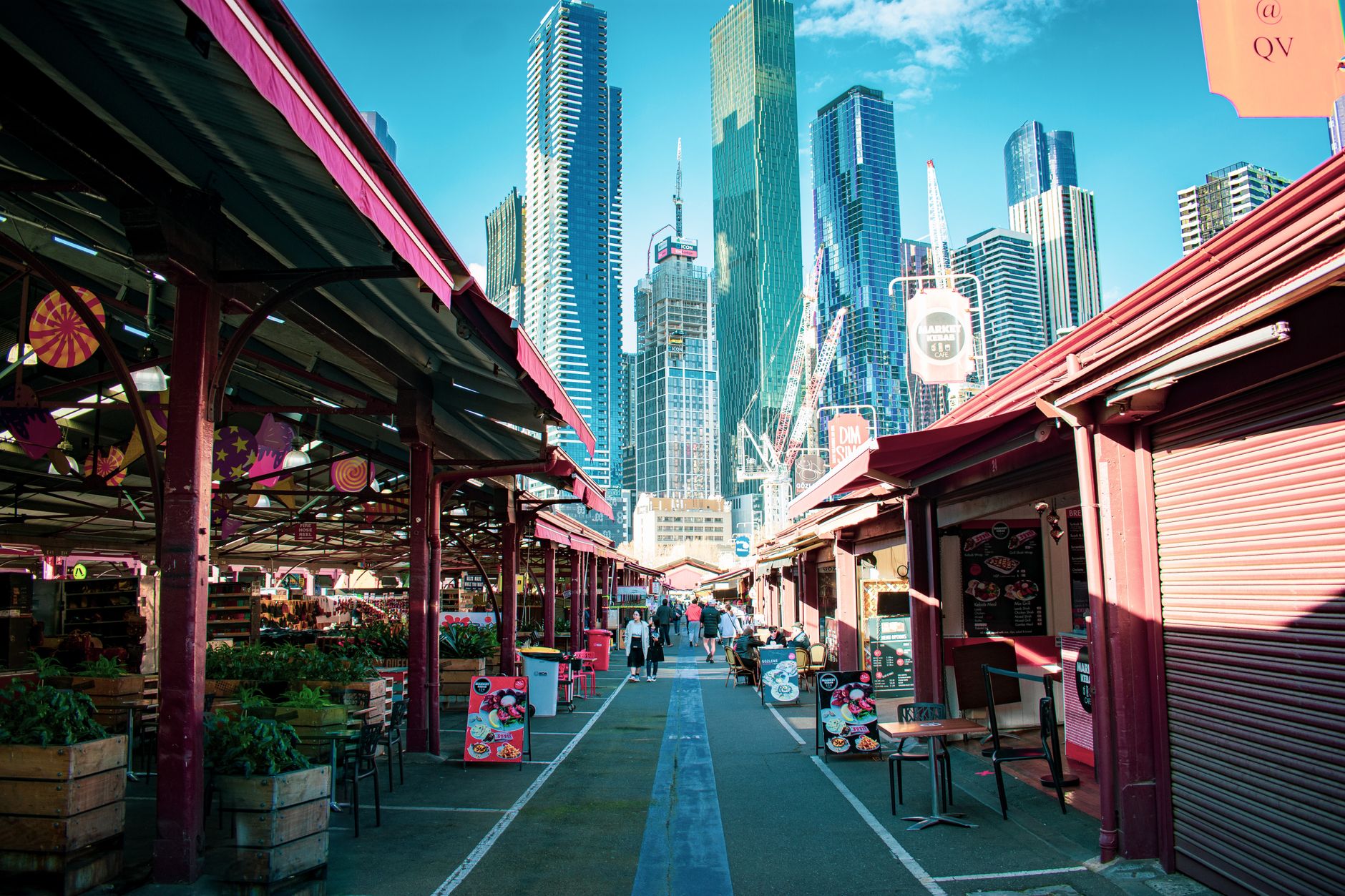
- Queen Victoria Market — founded in 1878, it's the largest open-air market in the Southern Hemisphere: 7 hectares, more than a thousand traders. Closed Mondays and Wednesday daytime; Wednesday nights bring the seasonal Night Market (June-August in winter, November-March in summer, 5pm-10pm), with food trucks and live music — worth it more for the experience than the regular daytime market.
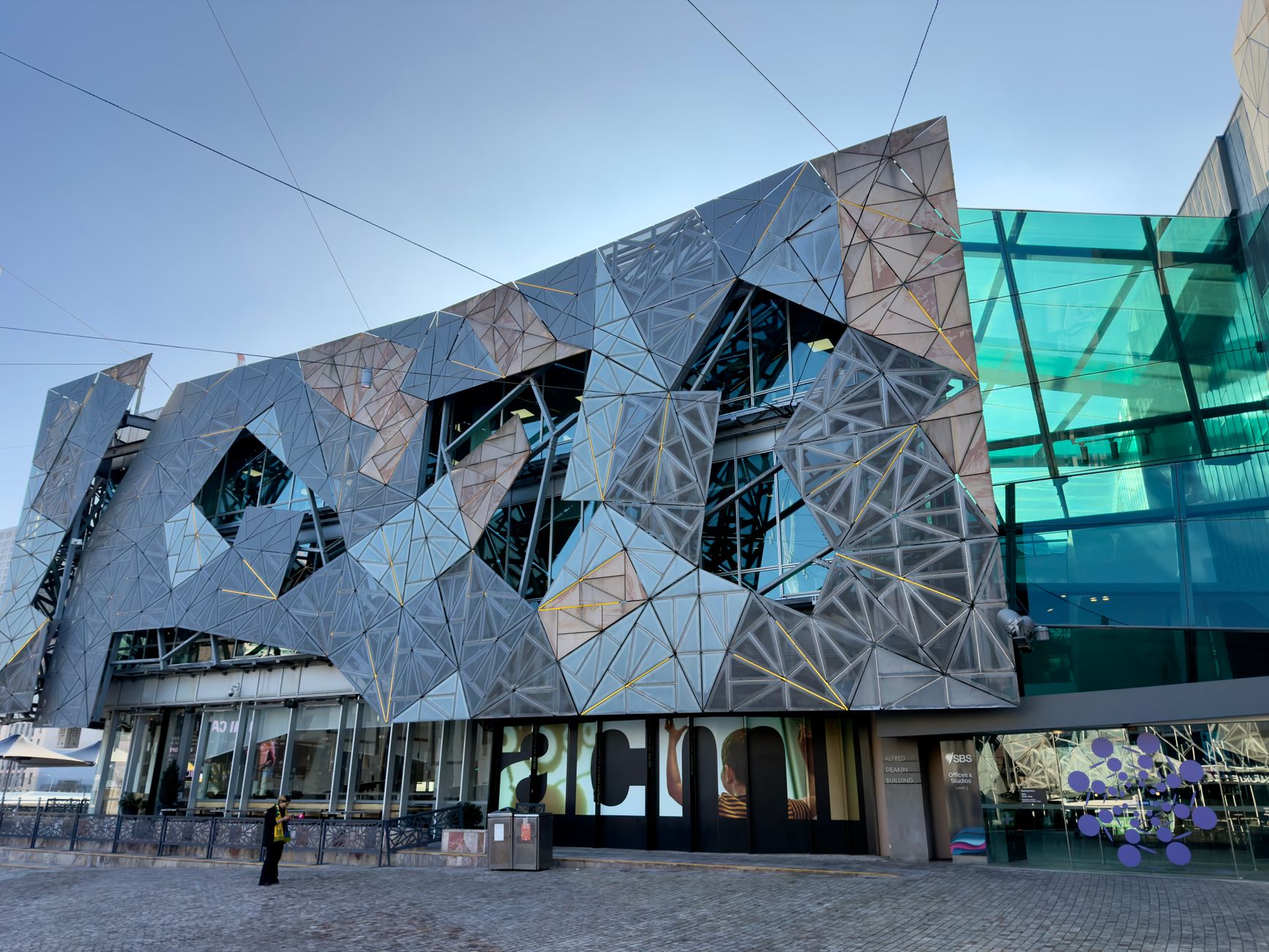
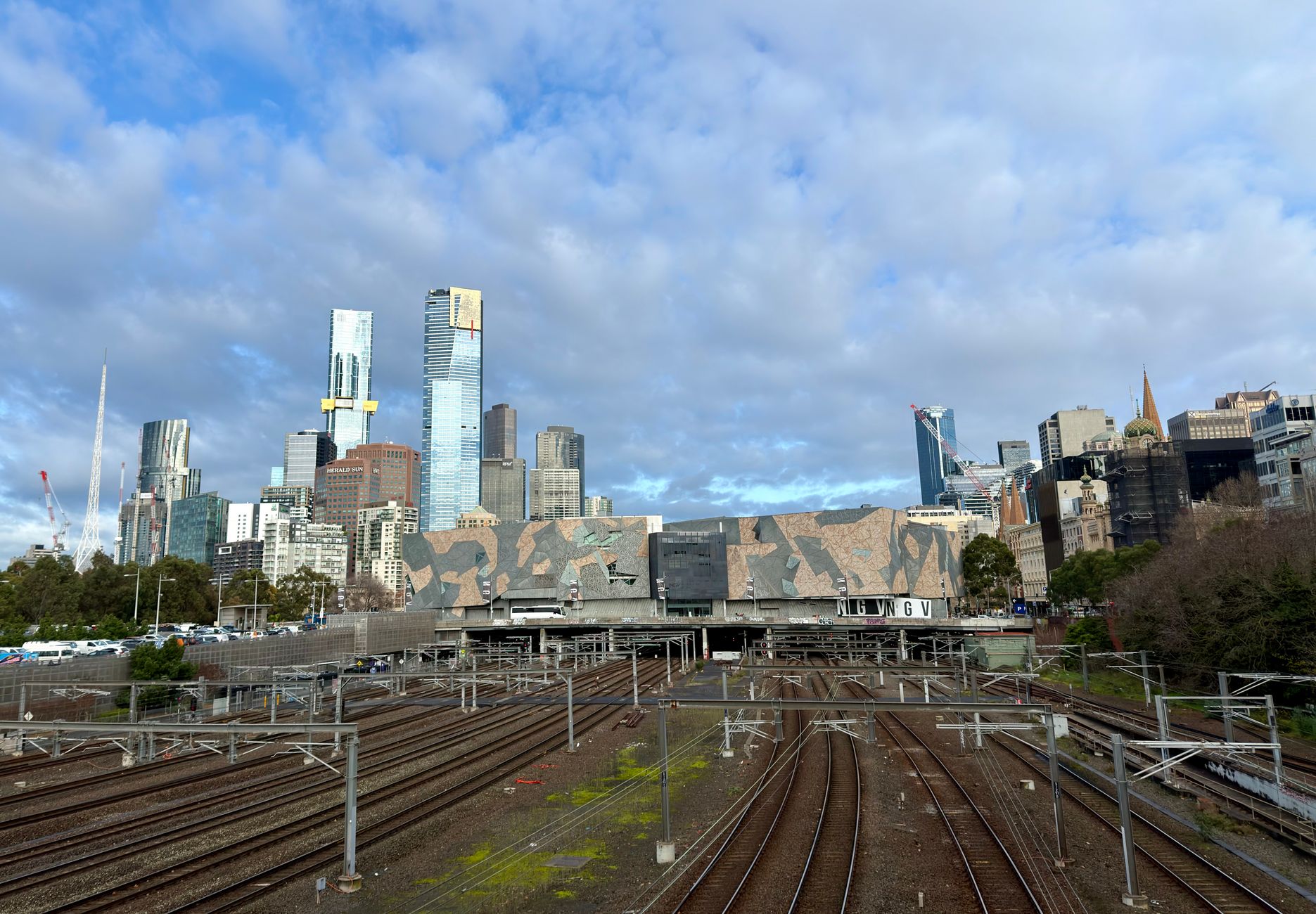
- Federation Square — the city's central square, a meeting and events spot, surrounded by two free-entry museums: ACMI (Australian Centre for the Moving Image), covering film, TV, digital culture and games, with a permanent interactive exhibition; and the Ian Potter Centre, an NGV wing dedicated solely to Australian art — more than 25,000 pieces, from traditional Aboriginal art to contemporary work.
- National Gallery of Victoria (NGV) — the country's most-visited art gallery, and general admission is free (only special/temporary exhibitions are paid). It's spread across two buildings (NGV International and The Ian Potter Centre), both in the city centre.
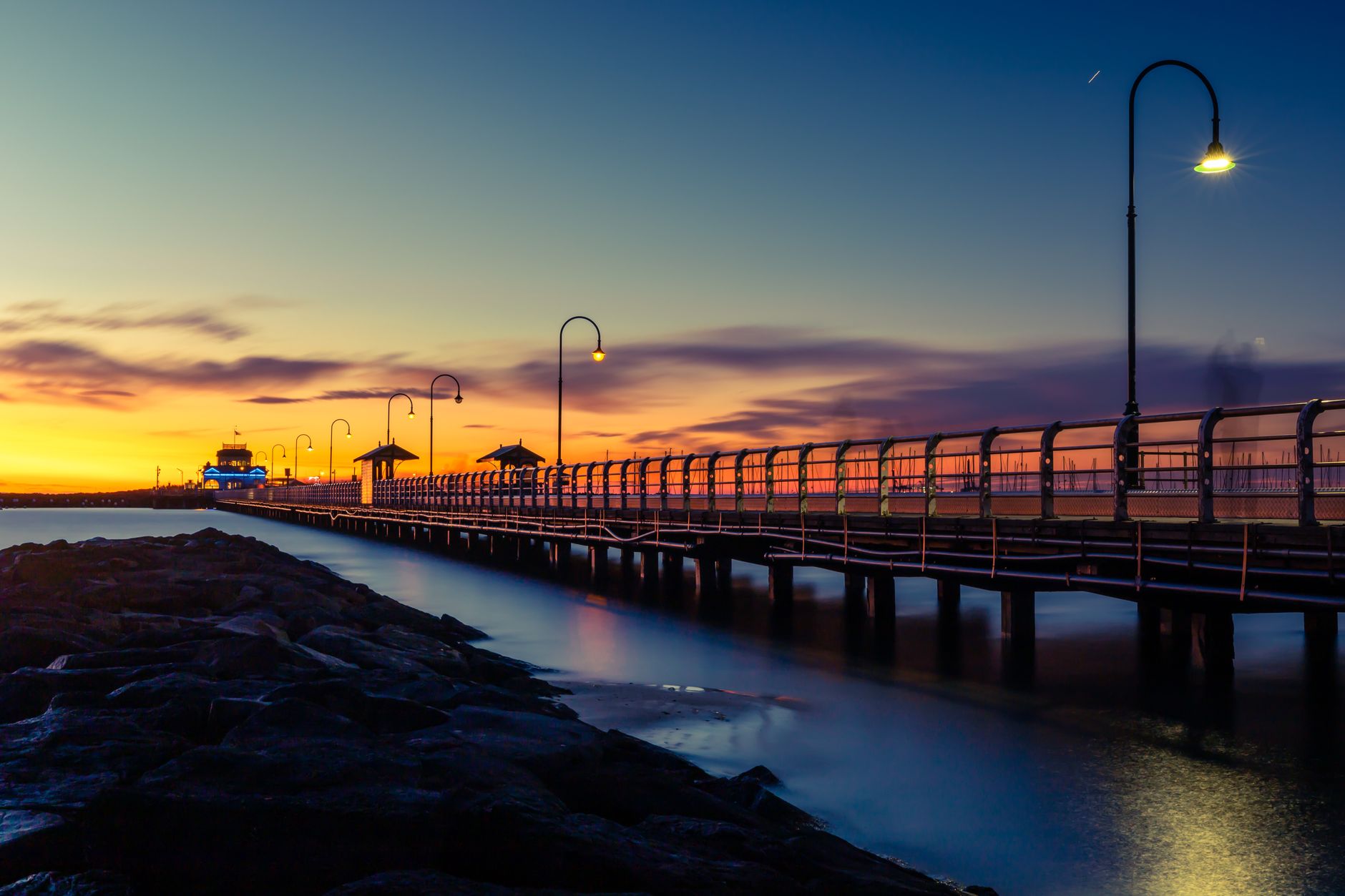
- St Kilda — a seaside neighborhood, with an urban beach and the St Kilda Pier, renovated and reopened in December 2024. A colony of around 1,400 little penguins lives on the pier's breakwater, documented since 1974 — they head out to hunt during the day and return at dusk, visible for free from an observation platform. Luna Park, right nearby, is a heritage-listed amusement park with the world's second-oldest roller coaster still in operation. Acland Street, a few steps from the beach, is known for its cake shops and fresh fish.
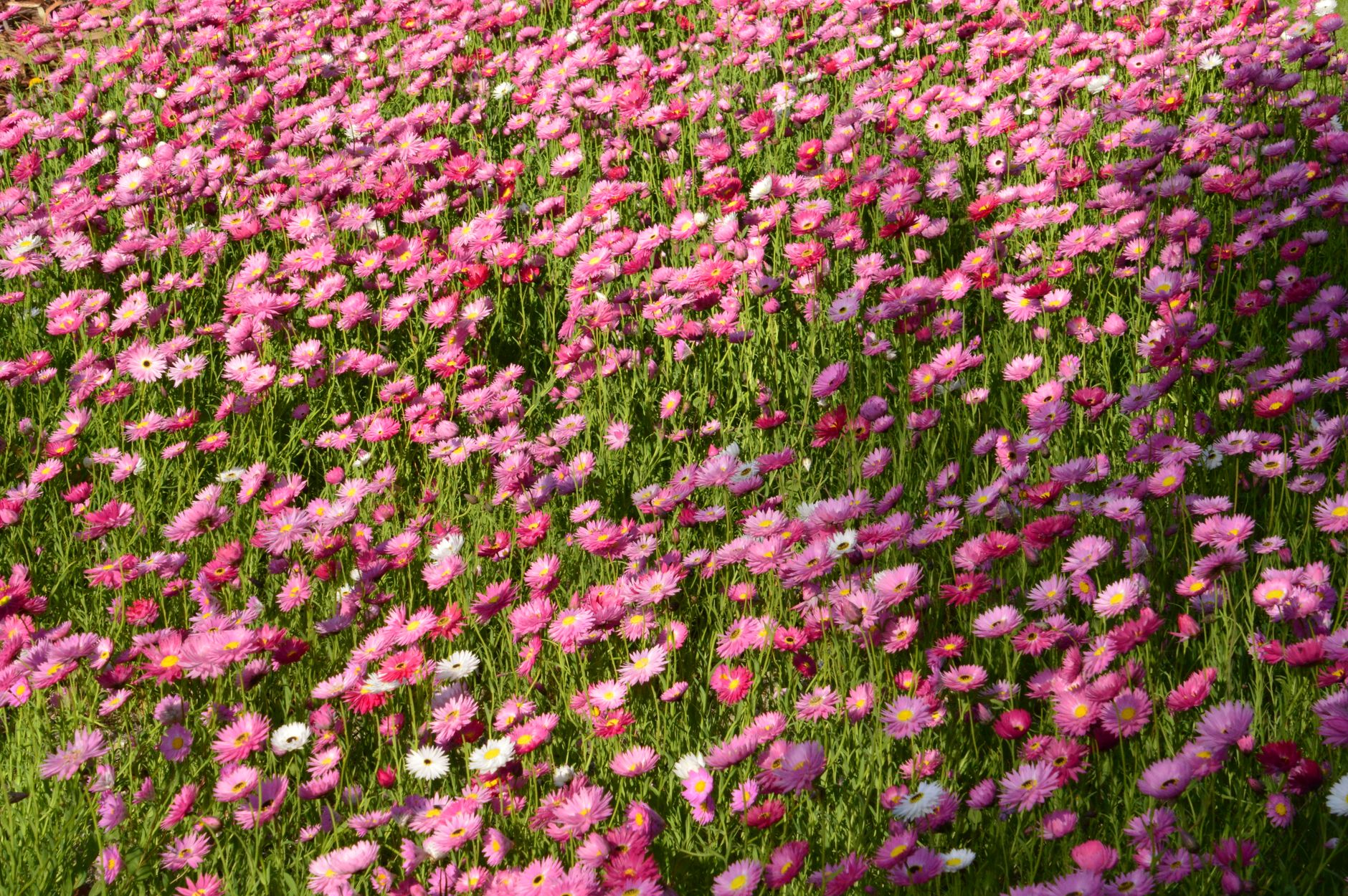
- Royal Botanic Gardens — 38 hectares, free entry, more than 10,000 catalogued species of native and exotic plants. The Tan Track runs around it, a 3.8km loop that was once a horse trail in the early 20th century and today is the city's most traditional running route — you can run or walk it even without visiting the garden itself.
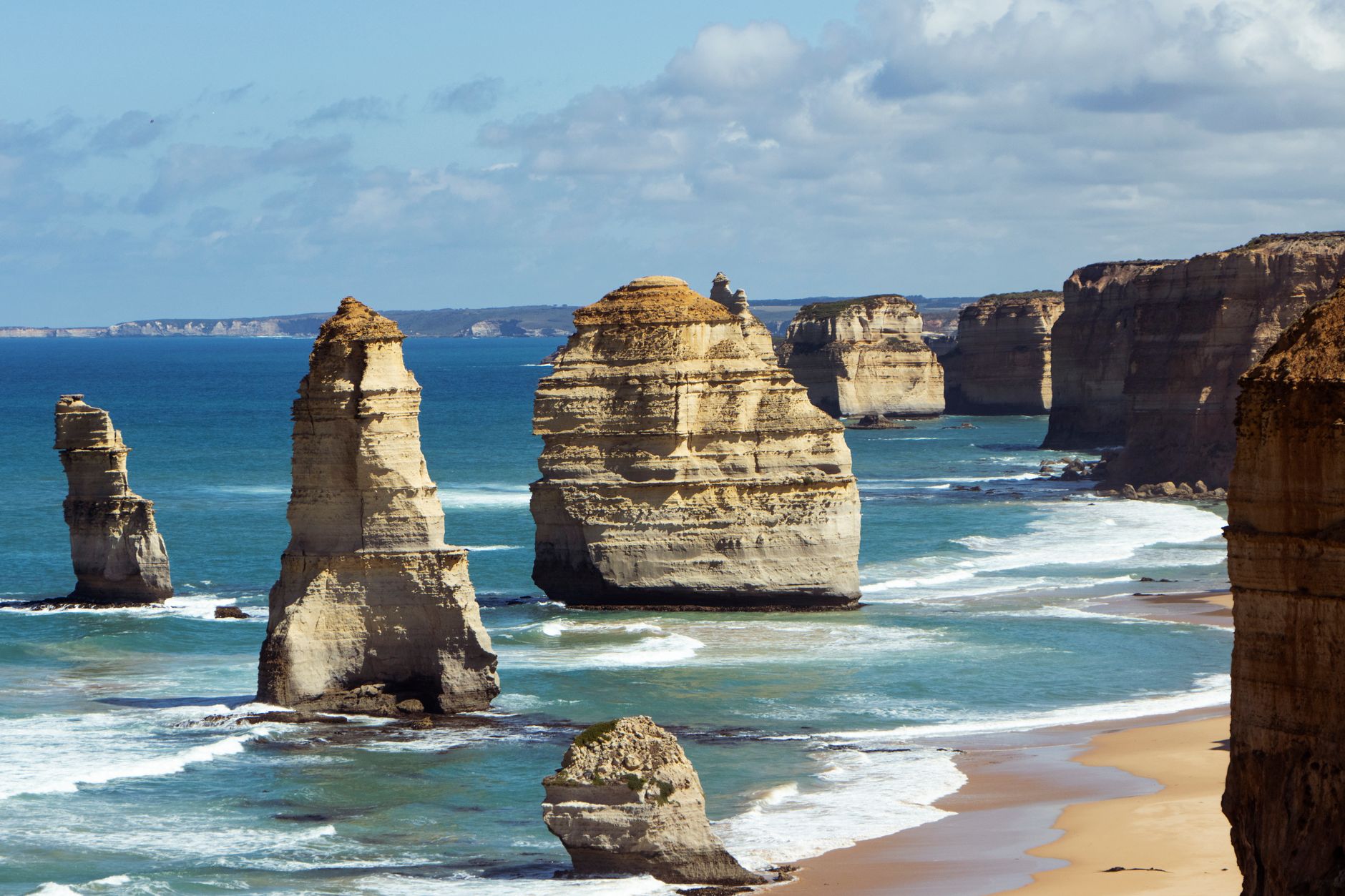
- Great Ocean Road (day trip or longer) — coastal road to the Twelve Apostles, rock formations along the coast.
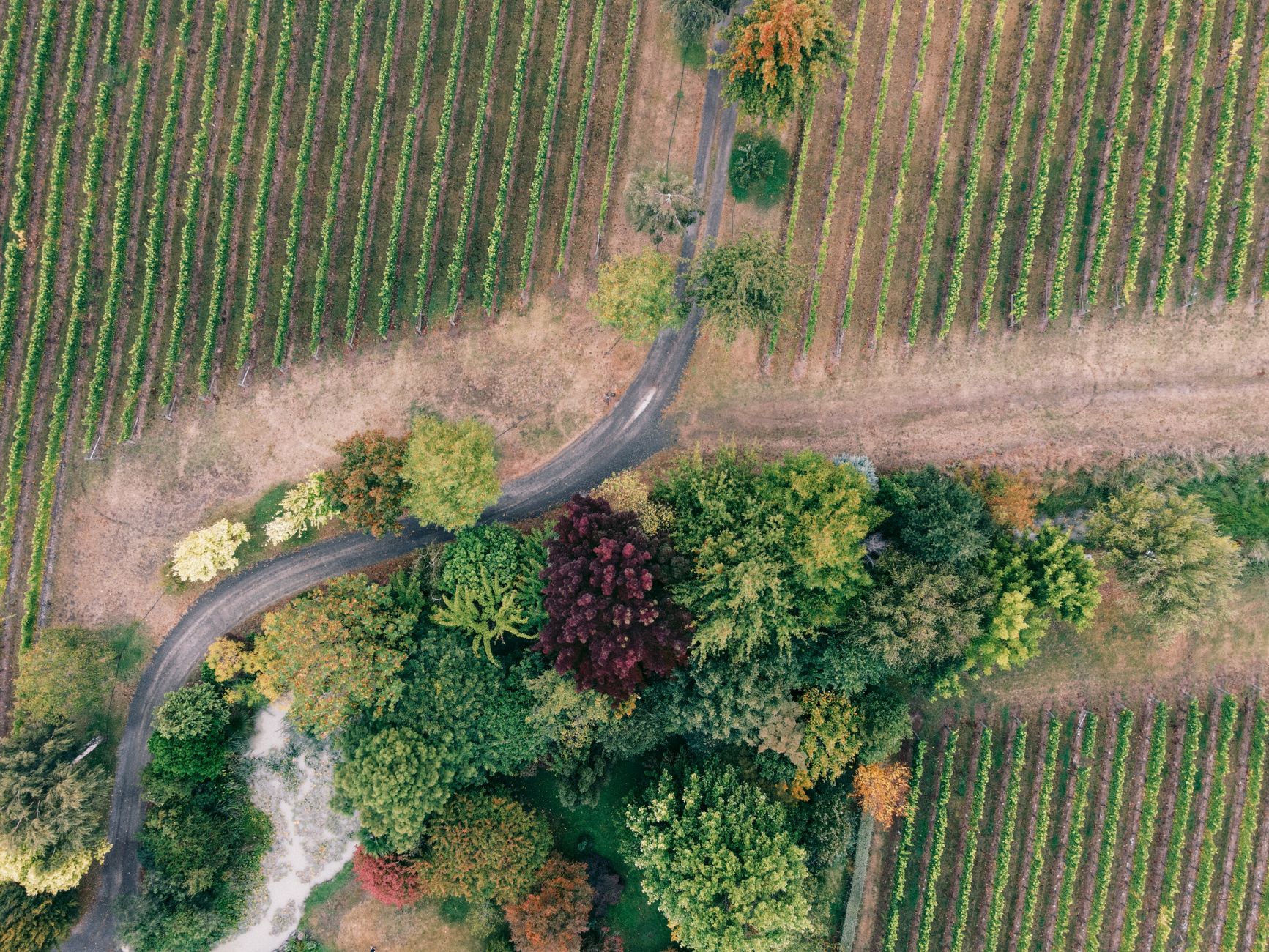
- Yarra Valley (day trip) — a wine region less than an hour from the city centre via the Maroondah Highway, known for sparkling and cool-climate wines. Domaine Chandon, a Moët & Chandon subsidiary based in the region since 1986, holds the country's largest collection of traditional-method sparkling wines — one of the valley's most-visited stops.
- Phillip Island (day trip) — a little penguin colony, with an evening parade (Penguin Parade). Requires a car or organized tour — public buses don't cover the return trip.
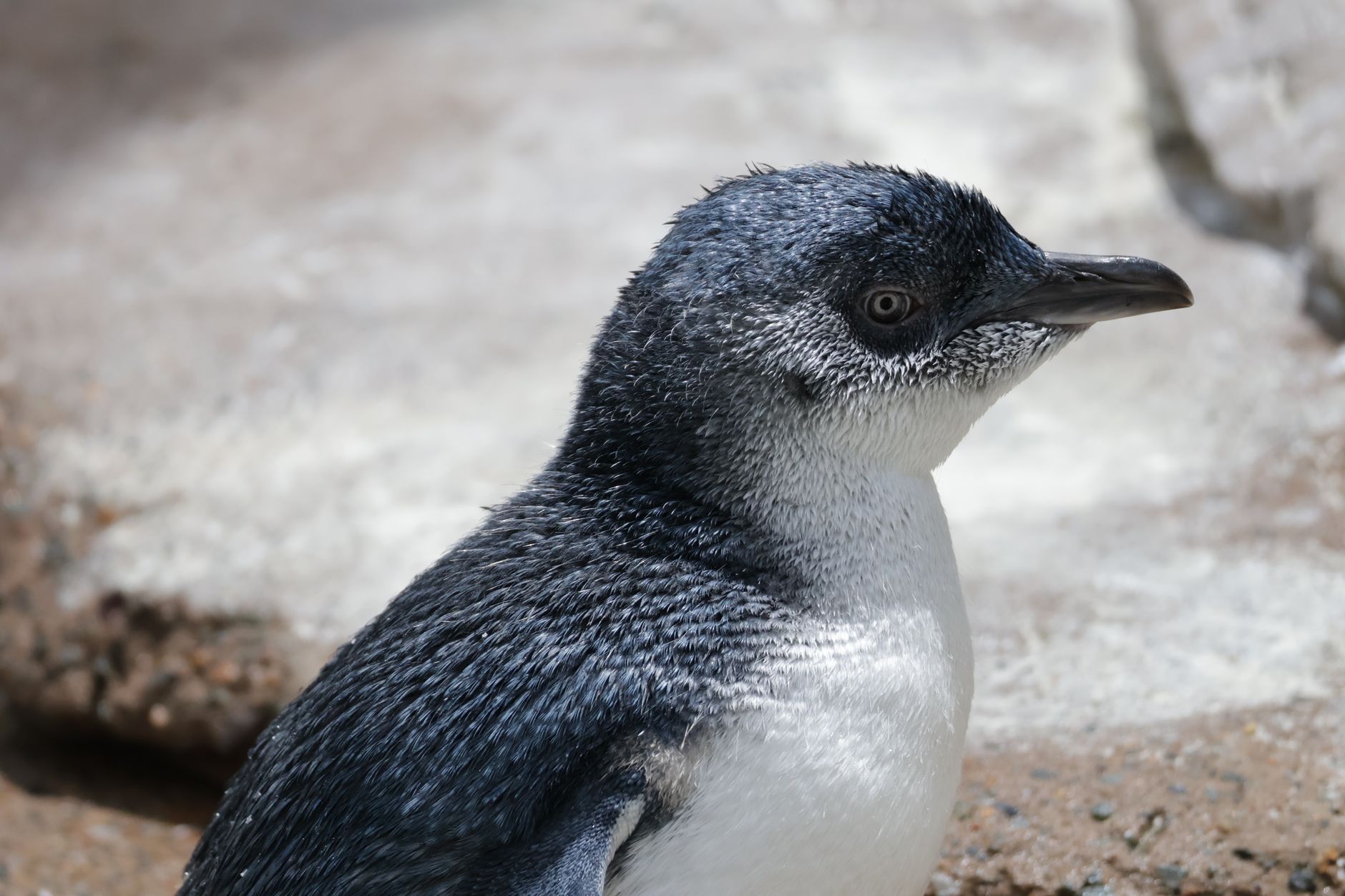
Phillip Island — the Penguin Parade
Every evening, a colony of little penguins (the world's smallest penguin species) comes out of the sea and crosses Summerland Beach, on Phillip Island, heading back to their burrows. It's one of Australia's most well-organized wildlife programs, with a structured viewing platform designed not to disturb the animals.
| Ticket | What it offers | Price |
|---|---|---|
| General Viewing | Elevated grandstand with a 180° view | ~AU$34 |
| Penguins Premium | Closer-level view | ~AU$85 |
| Penguins Plus | Beach-level platform, closer to where the penguins come out of the water | ~AU$93 |
| Underground Viewing | Below the boardwalk, with a glass panel to see the penguins pass overhead | ~AU$103 |
General Viewing is already a good experience — the pricier options are worth it if you want to get much closer or have a specific interest in photography.
There's a public bus (V-Line) from Melbourne to Cowes, Phillip Island's main town — but that bus doesn't go all the way to the Penguin Parade itself, and there's no return trip to Melbourne after the program ends. Without your own car, the realistic option is an organized tour (~AU$125-129, transport included) or a pre-arranged taxi/transfer.
Phillip Island is 90-120 minutes by car from Melbourne (plus about 20 more minutes after the bridge to the Penguin Parade itself). Program times change with sunset — always check the official website before going.
Great Ocean Road — the drive to the Twelve Apostles
The Great Ocean Road is a 243km coastal road between Torquay and Warrnambool — too big and important to be just a footnote in the itinerary.
Stops along the way:
- Torquay and Bells Beach — the start of the road, a world-famous surf spot.
- Lorne — a popular seaside town, good restaurant and beach infrastructure.
- Apollo Bay — another coastal town, quieter, usually where people doing it in 2 days spend the night.
- Loch Ard Gorge — a gorge with rock formations (Razorback, Island Arch), near the Apostles — worth stopping even if you only have time for the final stretch of the road.
- Twelve Apostles — the most photographed point on the route, closer to the end (Warrnambool side). Despite the name, far fewer than twelve are still standing today — wind and sea erosion have already brought down a good number of them over the years, and the process continues.
You can do the Twelve Apostles round trip in a single day from Melbourne, but it's demanding — the drive there alone takes about 4 hours (via the coastal route, with stops), so counting the way back and stops along the way, it turns into a full day (12-13 hours all up). There's also a shorter return route (inland, not following the coast), which saves time if the goal is just to get there and back.
If you can, it's worth doing it over 2 days, spending the night in Apollo Bay or near the Apostles — you get to enjoy more stops along the way without racing the clock, and can see sunrise or sunset over the rock formations, when the light is best for photos.
The most common way is by rental car — remember driving is on the left. There are also organized van tours leaving from Melbourne, an option for those who'd rather not drive. There's no direct train to the Apostles.
How to get there
Melbourne Airport (MEL) receives international flights directly. As with Sydney, there's no direct flight from South America — the most common connection, leaving from Brazil, also goes through Santiago, Chile, with LATAM.
Getting around
Melbourne uses the Myki system for public transport (train, tram, bus). One useful quirk: the city centre and Docklands have a free tram zone — inside it, you ride the tram without needing a ticket or tap-on. Only once you leave the zone do you need to validate your Myki.
The state of Victoria is transitioning to contactless payment with international credit/debit cards (rollout started in early 2026), but implementation is still ongoing — the safest bet for visitors is still to buy a physical Myki card (around AU$6) and load credit onto it.
Where to stay
As in Sydney, Melbourne doesn't have a single "right" neighborhood to stay in — the choice depends on what you're prioritizing for the trip.
- CBD — first trip, everything on foot: Federation Square, Flinders Street Station and the Yarra River are all within walking distance, and the free tram zone makes getting around even easier.
- Southbank — quieter, riverside, with the NGV, the Melbourne Skydeck and the Crown Casino nearby.
- Fitzroy — street art and alternative nightlife, a good concentration of restaurants and bars off the main tourist circuit.
- St Kilda — seaside, about a 20-minute tram ride from the centre, with an urban beach and Luna Park.
- South Yarra — shopping and a more upscale vibe; Chapel Street is the best-known shopping street.
| Neighborhood | Best for | Trade-off |
|---|---|---|
| CBD | First trip, everything on foot | Busier |
| Southbank | Quiet, close to the centre | Less nightlife of its own |
| Fitzroy | Alternative nightlife, street art | Further from the classic attractions |
| St Kilda | Beach, Luna Park | 20 min tram from the centre |
| South Yarra | Shopping, upscale vibe | Higher prices |
How much it costs
| Item | Price range |
|---|---|
| Hostel | AU$15–40/night |
| 3-4 star hotel | AU$130–220/night |
| Simple meal | AU$15–25 |
| Myki card (physical) | ~AU$6 + travel credit |
| City tram zone | Free |
| NGV (general admission) | Free |
| Great Ocean Road (1-day tour) | Varies a lot by operator — research before booking |
Base itinerary
3 days: day 1 — Federation Square, laneways, Queen Victoria Market. Day 2 — St Kilda and Royal Botanic Gardens at a slower pace. Day 3 — Great Ocean Road (full day round trip).
5 days: the 3 days above, plus 1 day for Phillip Island (day trip, afternoon/evening for the Penguin Parade) and 1 extra day to stretch the Great Ocean Road at a more relaxed pace (staying overnight along the way) or for the Yarra Valley.
Comments
Have something to add or a question? Leave a comment below — your experience can help other immigrants in Australia.
Comments are public. You can delete yours from the same browser and device you used to post.
Loading comments…