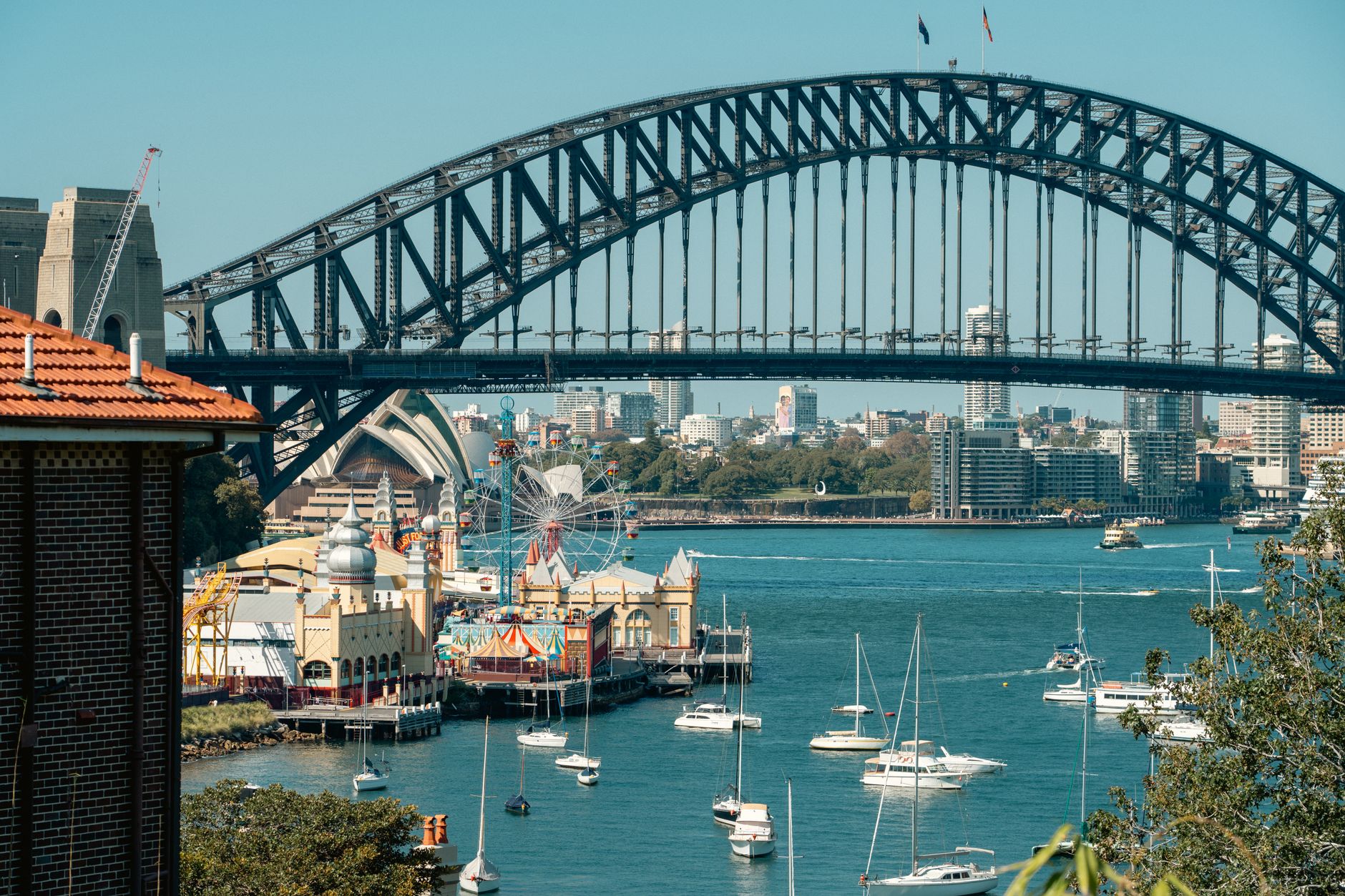
Sydney is usually the entry point for first-time visitors to Australia — it's the best-known city, has the country's busiest international airport, and holds the postcard shots that show up in every search about the destination. This guide covers the essentials: what to see, how to get around, how much it costs, and a base itinerary to help plan your trip.
If you haven't decided on the rest of your itinerary yet, the complete Australia travel guide can help you fit Sydney into a bigger trip.
What to see
- Sydney Opera House — the country's most recognizable building. You can see it from outside for free, but the guided tour inside (around AU$50-55 for adults) shows the theatres and the story of its construction.

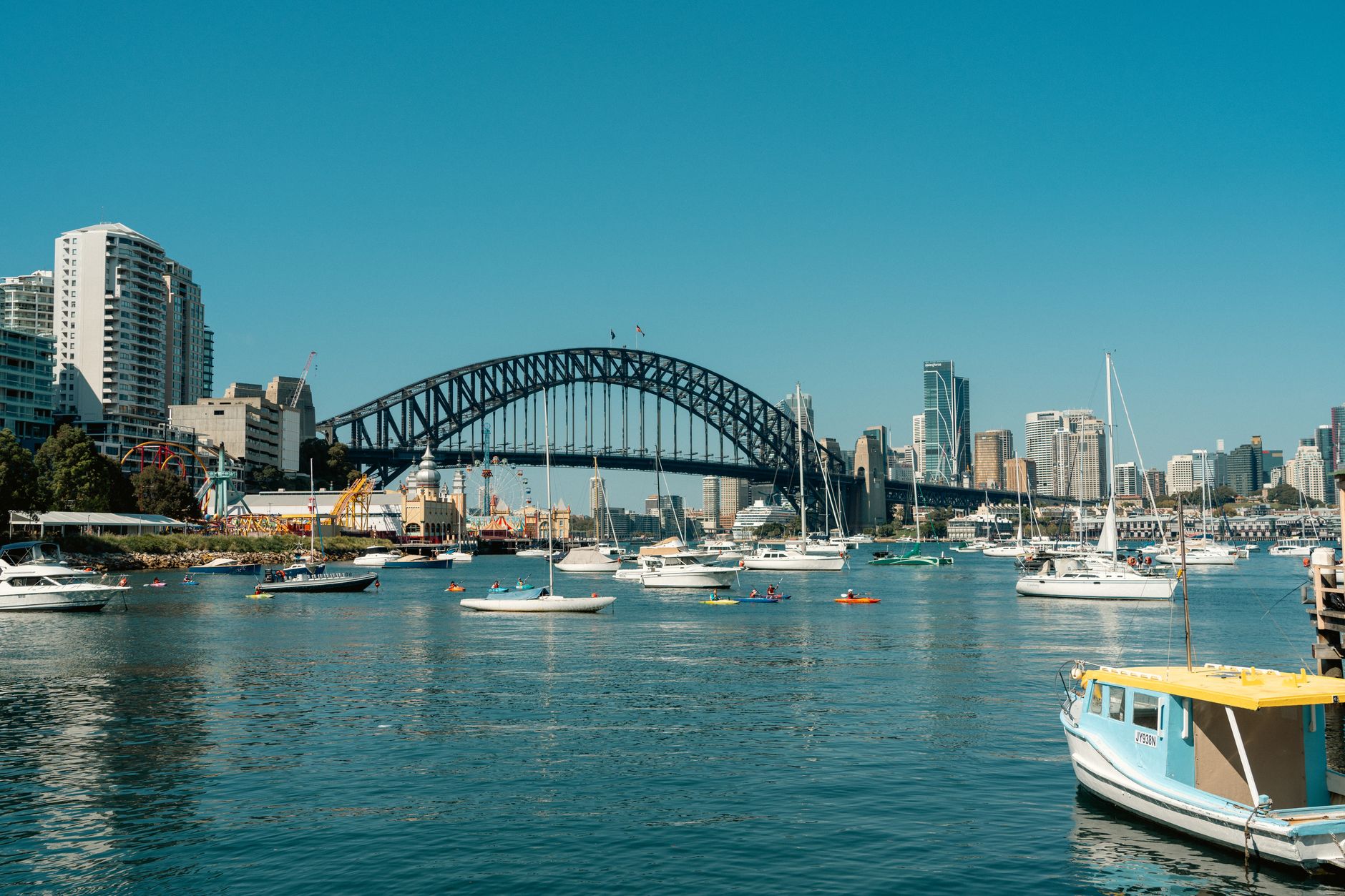
- Harbour Bridge — built between 1924 and 1932, using more than 52,000 tonnes of steel (much of it imported from the UK) and over 6 million hand-driven rivets — 16 workers died during construction. It stands 134 metres tall at its highest point and is 1,149 metres long, with a 503-metre central arch spanning the harbour. You can walk across for free, climb the 200 steps to the Pylon Lookout (a small museum about the bridge's construction, in the southeast pylon, open since 1934 — much cheaper than BridgeClimb), or pay for the guided climb to the summit (BridgeClimb, running since 1998), which is a separate — and pricey — experience, in the AU$300+ per person range. Treat BridgeClimb as an "optional extra," not a required line item in your budget.
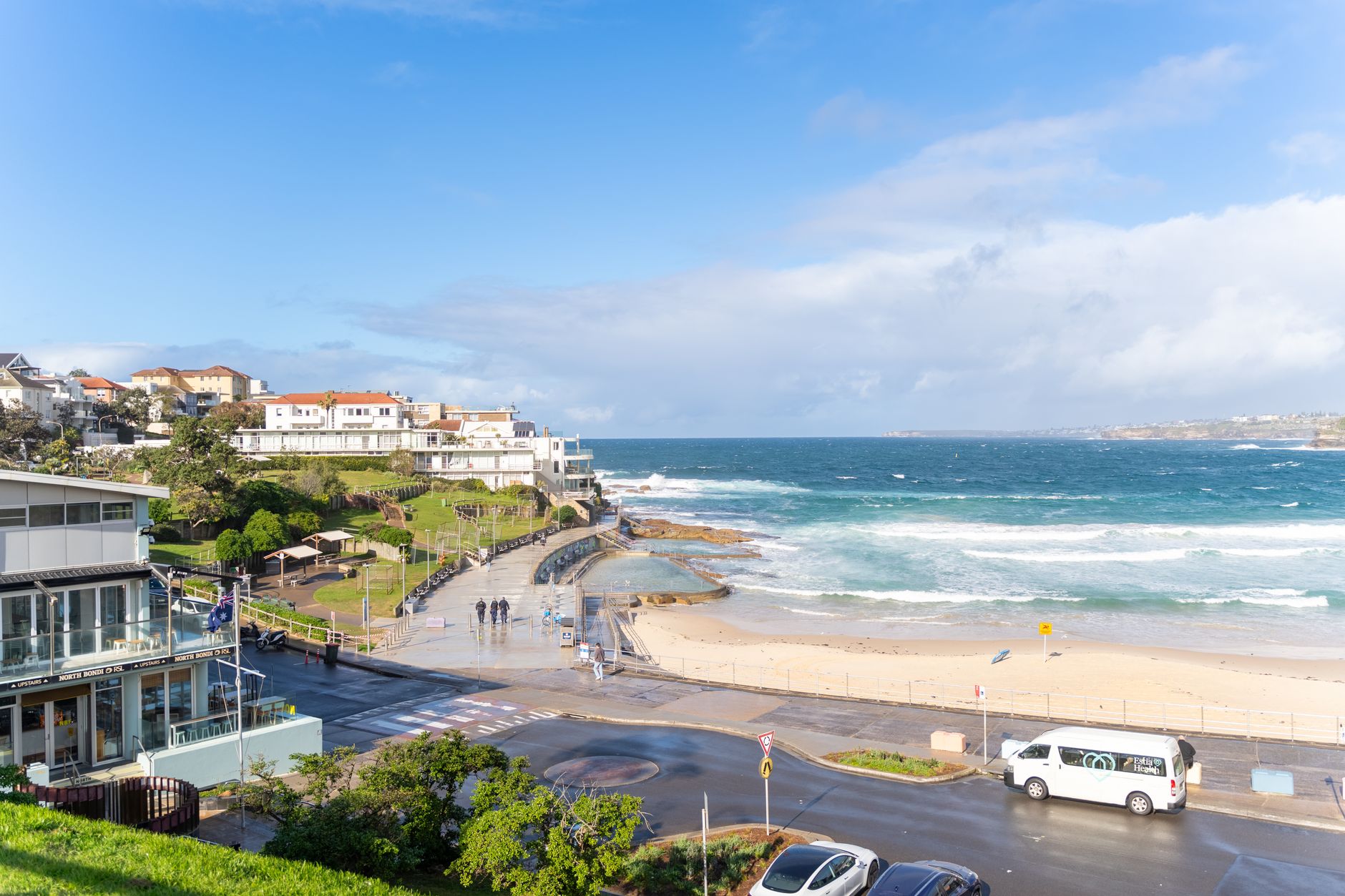
- Bondi Beach — the country's most famous beach, with the coastal walk to Coogee (the Bondi to Coogee Coastal Walk) as one of the city's most beautiful free outings.
What you can see on the Bondi–Coogee walk
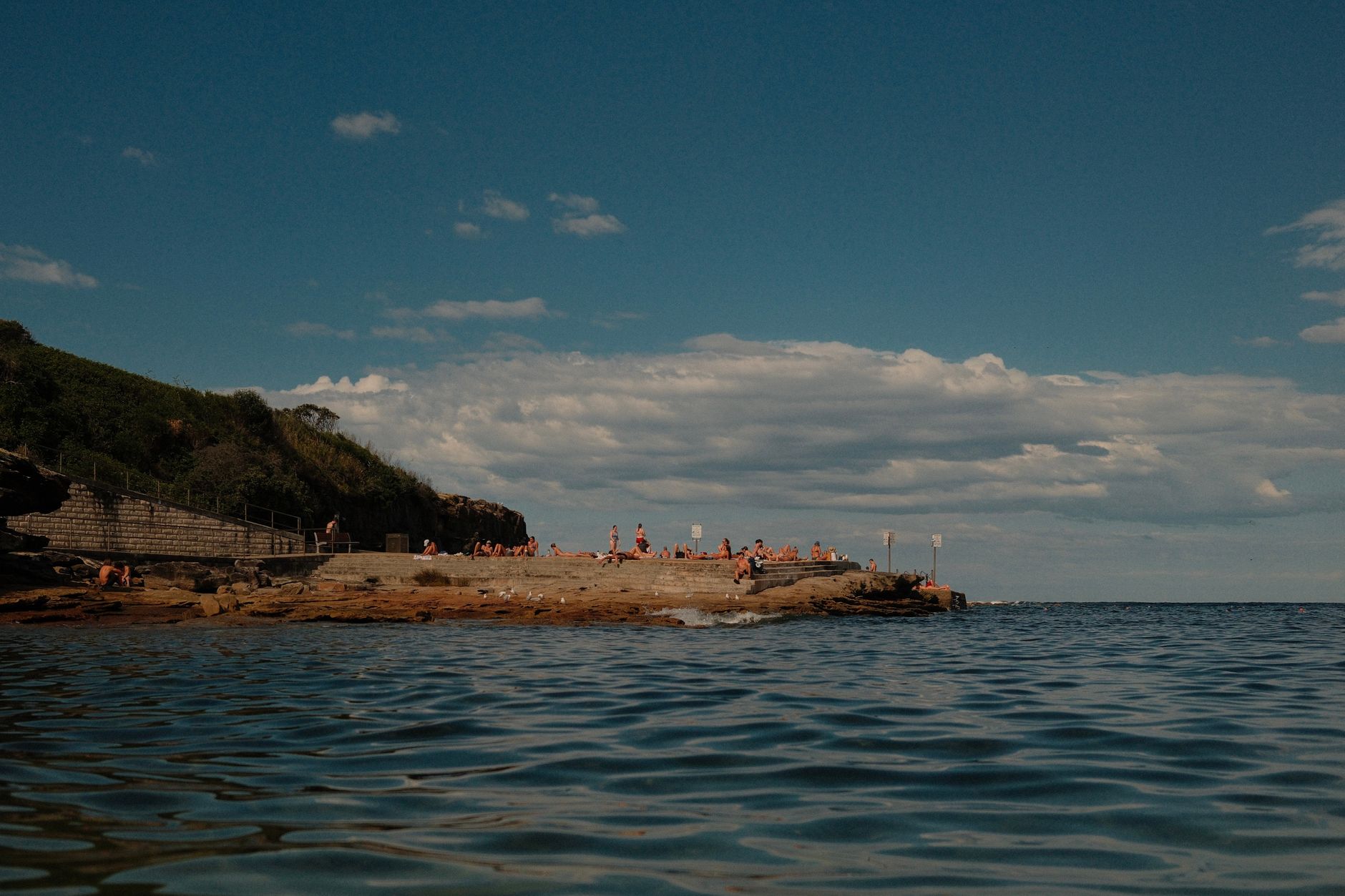
It's about 6km of coastal trail one way, roughly 2-3 hours at a relaxed pace (with stops for photos and a swim) — you don't need to do the whole stretch in one go, you can stop at any beach along the way and catch a bus back.
- Tamarama Beach — the first stop, a small, more enclosed cove right after Bondi, nicknamed "Glamarama" for the crowd it draws.
- Bronte Beach — a neighbourhood beach with a saltwater pool at the south end (Bronte Baths), good for families. From Bondi it's about 4km, roughly 1h30.
- Waverley Cemetery — just past Bronte, a 19th-century cemetery on top of the cliff, with headstones facing the ocean — one of the most photographed stops on the walk, even though it's a cemetery.
- Clovelly — a narrow cove sheltered between rocks, good for snorkelling on a calm day. From Bronte it's the fastest stretch, about 20 minutes.
- Gordons Bay — a small bay between Clovelly and Coogee, a local diving spot with a marked underwater trail for those with gear.
- Coogee Beach — the endpoint, a bigger beach with more infrastructure than Clovelly or Tamarama, a good option to finish the walk with proper beach time. The final stretch from Clovelly (~1.8km, about 40 minutes) is the toughest, with a climb.
- Taronga Zoo — also reachable by ferry (12 min from Circular Quay), with harbour views as part of the experience. Admission with the ferry included runs around AU$85. The zoo covers 28 hectares and has about 4,500 animals across 350 species — from giraffes and elephants to native Australian wildlife. Open 9:30am–4:30pm in winter (May-August) and until 5pm in summer (September-April). The Sky Safari, the cable car that crosses over the zoo's enclosures, is closed for renovation and isn't expected to reopen until late 2027 — check ahead if that's one of the attractions you want to see.
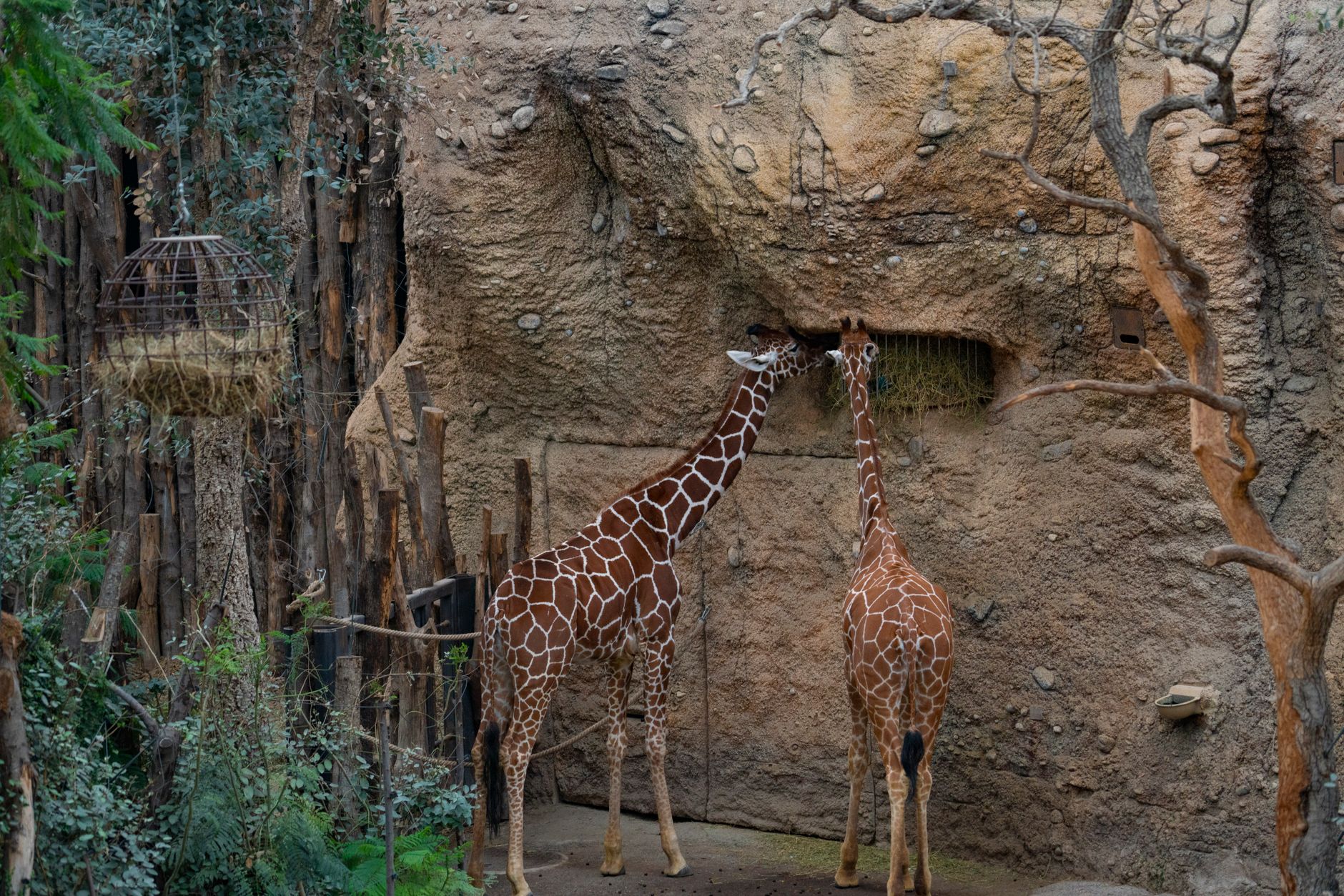
- Manly Beach — another classic beach, but the trip itself is already an attraction: the ferry leaves from Circular Quay, takes about 30 minutes, and the view of the Opera House and Harbour Bridge along the way is free (regular ferry fare, no extra cost). From the wharf to the beach is the Corso, a pedestrian-only street lined with surf shops, ice cream parlours and restaurants. Manly is considered one of the best beaches in Australia to learn to surf, with surf schools right on the sand. For those who want to walk more, the trail to North Head (part of the Manly Scenic Walkway) is about 8km starting from Shelly Beach, with views of Sydney Harbour's entrance and access to the Q Station, a former quarantine hospital with a historical tour. Shelly Beach itself is a sheltered bay, good for snorkelling.
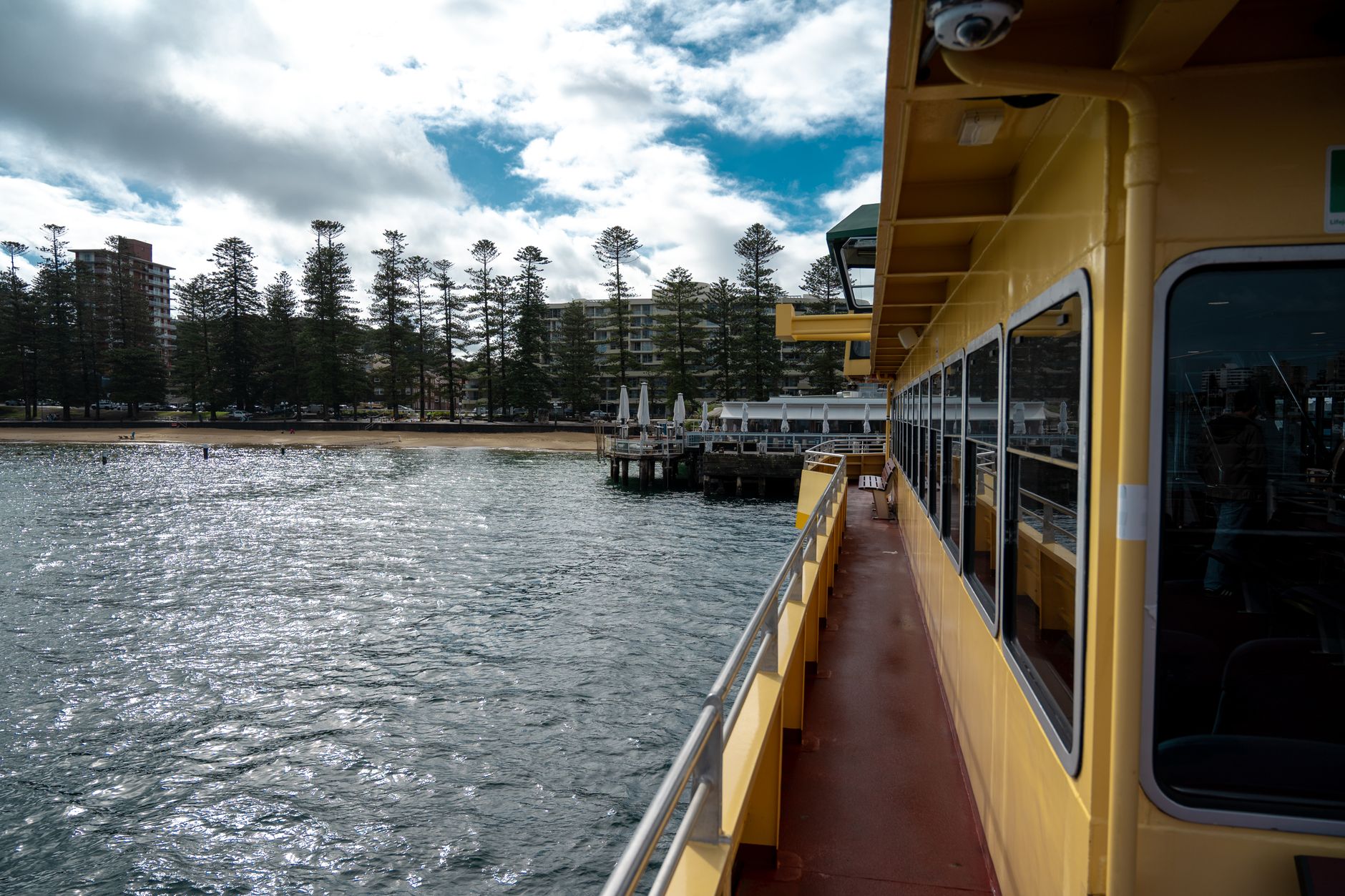
- Darling Harbour — a waterfront leisure area, a good option for families, with several paid attractions clustered in the same area: SEA LIFE Sydney Aquarium (the "Finding Nemo aquarium," with a shark tunnel), WILD LIFE Sydney Zoo (native wildlife — koala, kangaroo, quokka, right in the city), Madame Tussauds (wax museum), and the Australian National Maritime Museum (free general admission, with a paid option to board the historic ships at the wharf). The first four (SEA LIFE, WILD LIFE, Madame Tussauds, and Sydney Tower Eye) have a combined pass — cheaper than paying for each one separately if you're visiting more than one.
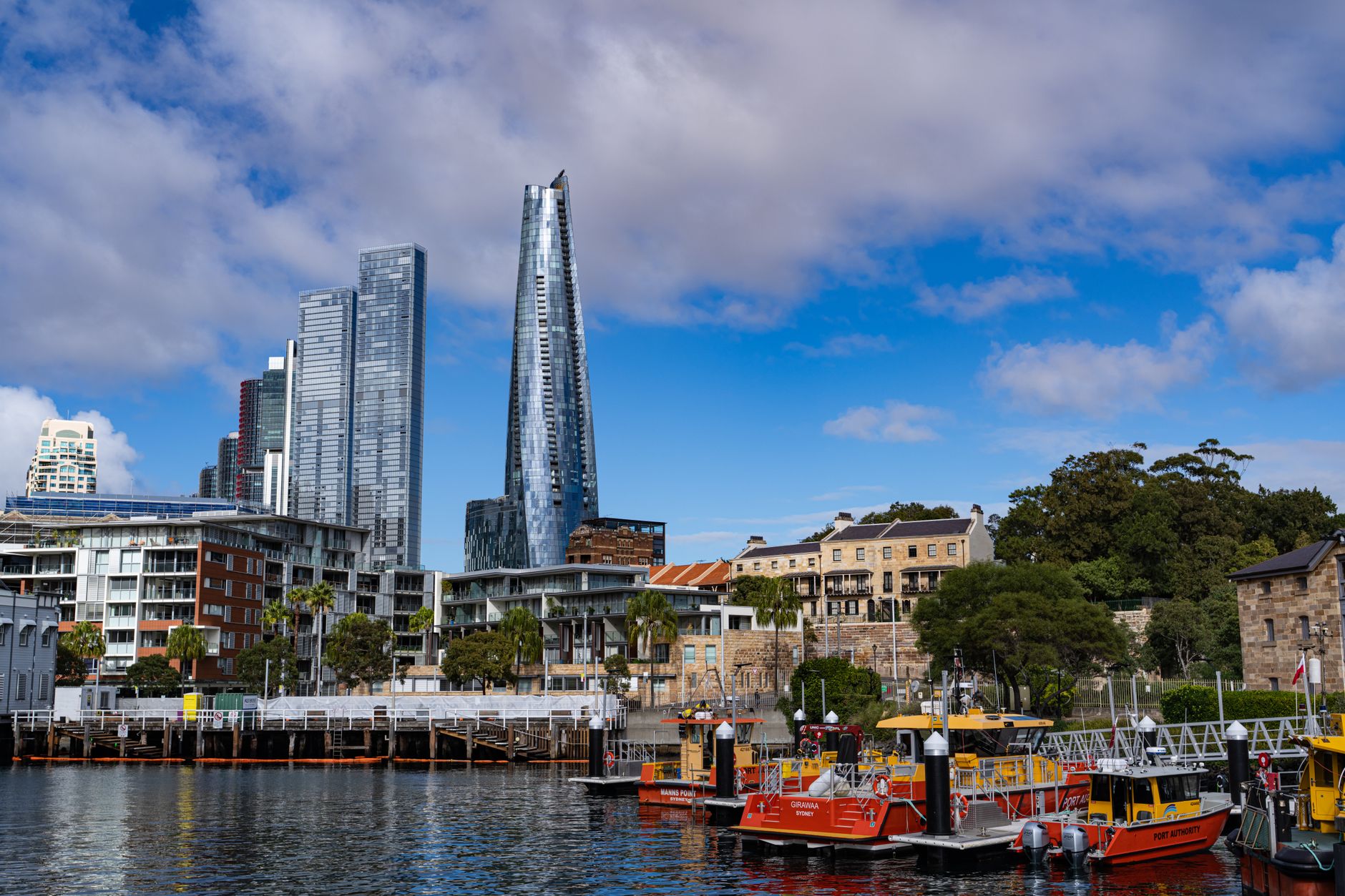
- The Rocks and Circular Quay — a historic neighbourhood, where the ferries depart from and where you can see the Opera House and Harbour Bridge together. It's Sydney's oldest neighbourhood: this is where the British First Fleet landed on 26 January 1788, and where the first convicts spent decades cutting the sandstone that still makes up much of the area's buildings. It's home to some of the country's oldest pubs — the Fortune of War, from 1828, the Lord Nelson Brewery, from 1831, the Hero of Waterloo, from 1845. On weekends, The Rocks Markets take over, with more than 200 stalls of crafts and food. You can walk it yourself or join a guided tour on convict history, which departs from near Circular Quay.
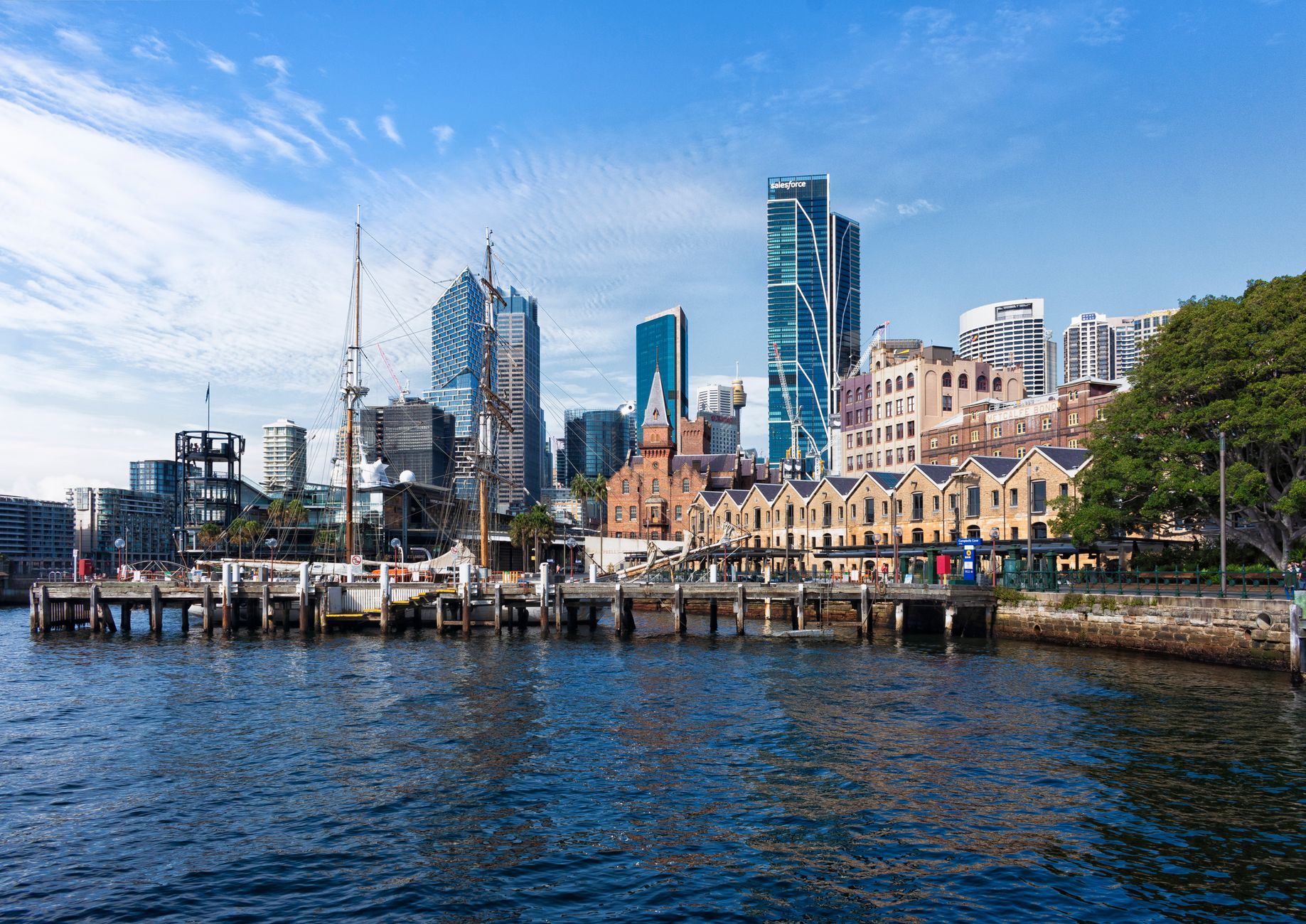
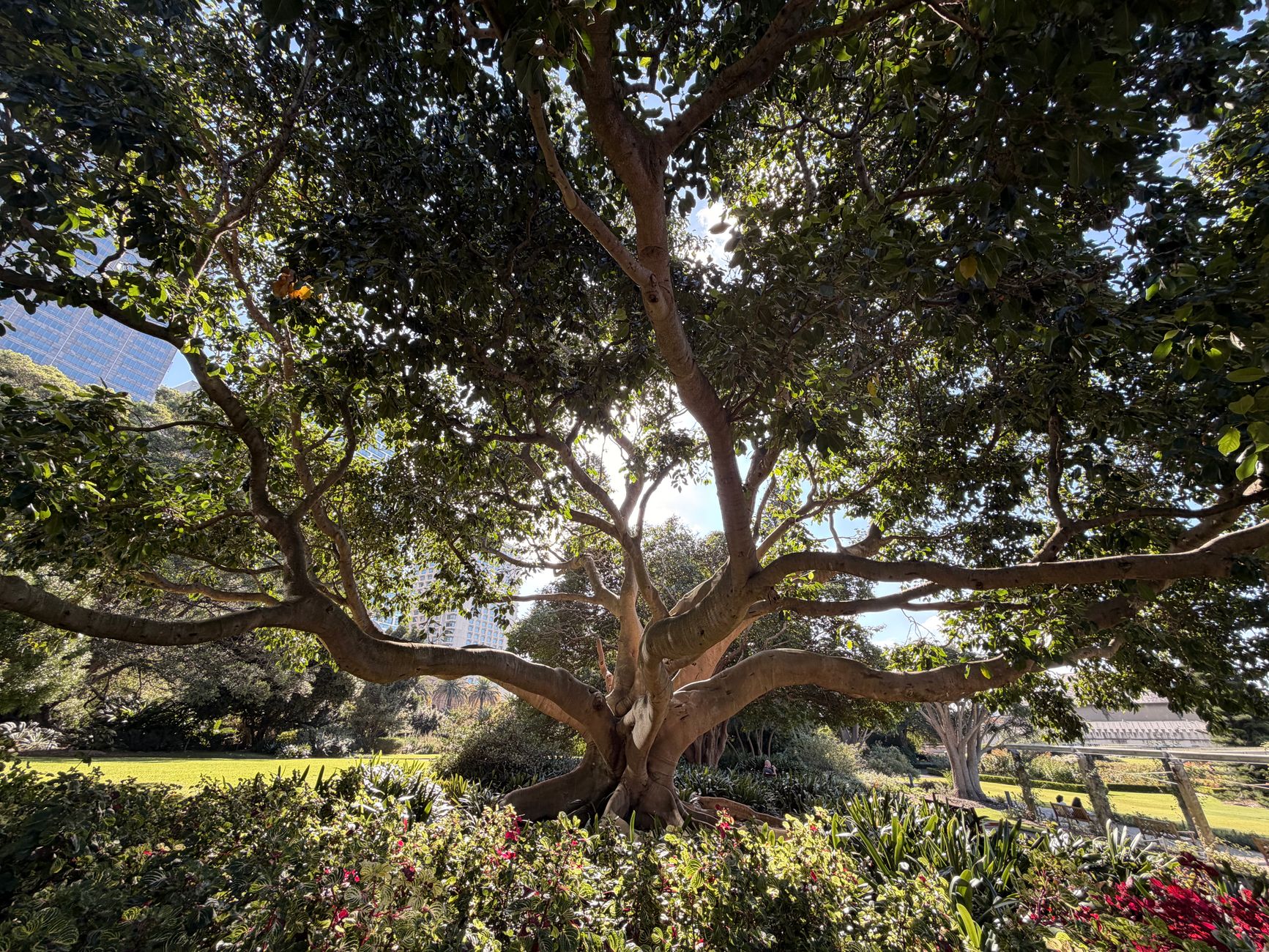
- Royal Botanic Garden — 30 hectares of gardens, free admission (except for occasional ticketed events), next to the Opera House, open from 7am until sunset. Inside it is Mrs Macquarie's Chair, a bench hand-carved into the sandstone rock in 1810 by convicts, at the request of the governor of the time for his wife — today it's one of the city's most sought-after lookouts, with views of the harbour, the Opera House and the Harbour Bridge all at once, especially good at sunset.
-
Newtown — an Inner West neighbourhood with the city's most alternative vibe: King Street is the main strip, with vintage shops, a bookstore (the largest is Gould's Book Arcade) and a good bar/restaurant scene. The whole neighbourhood is practically an open-air street art gallery, with mural after mural along the streets — you can easily do a self-guided walk. The Enmore Theatre, nearby, is Sydney's oldest theatre still in operation (opened in 1908) and today is the state's most traditional live music venue.
-
Blue Mountains (day trip) — trails, lookouts and the Three Sisters rock formation, about 100km from the city centre.
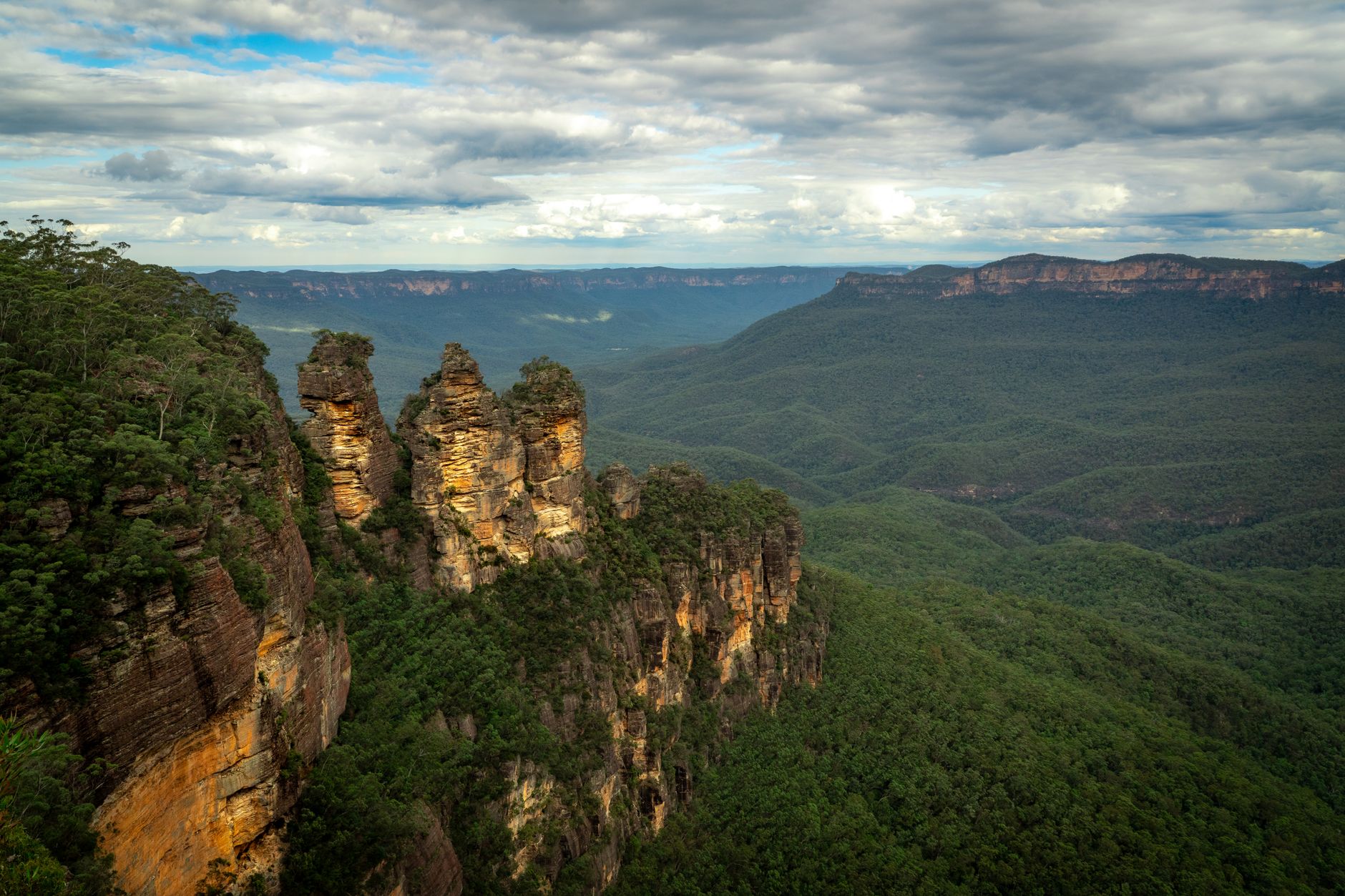
Blue Mountains — the most popular day trip from Sydney
"Blue Mountains" isn't just a figure of speech: the name comes from the blue-tinted haze that rises from the eucalyptus oil and covers the valley. Two spots anchor the trip: the Three Sisters formation and Scenic World.
Three Sisters — the three-peaked rock formation seen from Echo Point, in Katoomba, is the park's postcard shot. Behind it lies a Dreamtime legend (Aboriginal mythology): three sisters — Meehni, Wimlah and Gunnedoo, of the Katoomba tribe — fell in love with three men from a neighbouring tribe, a marriage forbidden under tribal law. In an attempt to protect the sisters from a conflict that put their lives at risk, a witch doctor turned them to stone — intending to reverse the spell later, but he died before he could, and the sisters remained stone forever. Echo Point is free and is the best lookout — worth visiting even if you don't do anything else in the park.
Scenic World — brings together 4 attractions on a single ticket (Discovery Pass, ~AU$55 for adults): the Scenic Railway (the world's steepest passenger railway, at 52 degrees, descending through an original mining tunnel), the Scenic Cableway (the steepest cable car in the Southern Hemisphere, climbing 545 metres), the Scenic Skyway (crosses the valley at 270 metres up, with 360° views) and the Scenic Walkway (an elevated boardwalk through the rainforest at the valley floor). The ticket gives access to all 4 on the same day.
For those who want to walk more, there are trails of varying lengths starting near Echo Point — the shortest and most popular is the Prince Henry Cliff Walk, with constant valley views. No separate ticket is needed for the trails, only for Scenic World.
A regular train runs from Central Station to Katoomba, about 1h30 to 2h depending on whether it's an express or stops at every station — covered by the same ticketing system used across Sydney (Opal or a contactless card), no extra cost beyond the normal fare.
How to get there
Sydney Airport (SYD) is the country's main international gateway. There's no direct flight between South America and Australia — the most common routes connect through Santiago, Chile, typically with LATAM from major South American hub airports. The flight time alone runs around 21 hours; factoring in the connection in Santiago, the door-to-door trip usually runs past 24 hours.
Getting around
Sydney's public transport system (train, bus, ferry, light rail) runs on the Opal scheme: you can use a physical Opal card or simply tap a contactless credit/debit card (or phone with Apple Pay/Google Pay) directly on the reader — no need to buy a separate card. There's a daily spending cap (around AU$19 on weekdays, less on weekends): once you hit that cap, the rest of your trips that day are free.
The ferry deserves a special mention — besides being transport, it's a sightseeing trip in itself, with views of the Opera House and Harbour Bridge included in the regular fare.
If you're renting a car, remember driving is on the left — the opposite of the South American standard.
Where to stay
Sydney doesn't have one single "right" neighbourhood — there's a right neighbourhood for your kind of trip. Choosing wrong means more daily travel time.
- CBD and Darling Harbour — first trip or short stay (1-3 nights): within walking distance of most main attractions (Circular Quay, Opera House, The Rocks). The priciest option, but the one requiring the least travel.
- Bondi — beach first: closer to the water, good beach and restaurant life, but farther from the historic centre.
- Newtown — nightlife and alternative Inner West scene, cheaper than CBD or Bondi.
- Surry Hills — café, food and neighbourhood life; more geared toward foodies than being near big tourist attractions.
- North Shore — across the Harbour Bridge, calmer and better value (further out along the train line, prices improve), but farther from the main attractions.
| Neighbourhood | Best for | Trade-off |
|---|---|---|
| CBD / Darling Harbour | First trip, short stay | Pricier |
| Bondi | Beach first | Farther from the historic centre |
| Newtown | Nightlife, lower budget | Less "postcard" |
| Surry Hills | Food, return trip | Farther from big attractions |
| North Shore | Value, calmer | Farther from main attractions |
How much it costs
| Item | Price range |
|---|---|
| Hostel | AU$15–40/night |
| 3-4 star hotel | AU$150–250/night |
| Simple meal | AU$15–25 |
| Opera House Tour | ~AU$50-55 (adult) |
| Taronga Zoo (with ferry) | ~AU$85 (adult) |
| SEA LIFE Aquarium / WILD LIFE Zoo / Madame Tussauds (single) | from ~AU$25-39 each |
| Combined pass (2-4 Darling Harbour attractions) | ~AU$85-145, cheaper than single tickets |
| Australian National Maritime Museum (general admission) | Free (historic ships: paid add-on) |
| Public transport (daily cap) | ~AU$19 (Mon-Thu), ~AU$9.65 (Fri-Sun) |
| Blue Mountains (train, no tour) | Normal fare — no extra ticket cost for the trails |
Base itinerary
3 days: day 1 — Circular Quay, Opera House, Harbour Bridge (on foot), The Rocks. Day 2 — Bondi Beach and the walk to Coogee. Day 3 — Blue Mountains (full day).
5 days: the 3 days above, plus a day combining Manly (ferry) and Taronga Zoo — both ferries leave from the same Circular Quay — and an extra day at Darling Harbour + Royal Botanic Garden at a slower pace.
Comments
Have something to add or a question? Leave a comment below — your experience can help other immigrants in Australia.
Comments are public. You can delete yours from the same browser and device you used to post.
Loading comments…