
If you're searching "what to see in Australia" hoping for a list of 10 places to fit into a 2-week trip, there's something important to know first: Australia is the size of a continent. Sydney to Perth is nearly 3,300 km in a straight line — close to the distance between Lisbon and Moscow. You can't "see Australia" the way you'd see a small European country.
That's not a bad thing — it just changes how you should plan. This guide organizes everything into blocks: the big cities as starting points, what's worth visiting between them, what's off the main route and needs its own dedicated trip, and how to decide how much time to give each piece.
First things first: the visa
If you're Brazilian or from any other South American country, the automatic tourist visa (ETA/eVisitor) doesn't apply to you — the correct path is a different one, with an online application and its own fee. This is explained in detail in the tourist visa guide. It's worth sorting this out first — the rest of your planning (dates, flights, itinerary) depends on knowing your visa will come through in time.
When to go: it depends on where
Australia doesn't have a single "best time" — the country is too big, and its regions have very different climates from each other.
In the south and southeast (Sydney, Melbourne, Adelaide, Tasmania, Perth), the climate is temperate, with four seasons: hot summer from December to February, cold winter from June to August. Most people coming from South America will prefer traveling in summer or spring/autumn (March-May and September-November) — the Australian winter can get quite cold, especially in Melbourne and Tasmania.
In the tropical north (Cairns, the Whitsundays, and further north, Darwin), the logic flips: there are only two seasons, dry and wet — and it's the dry season (May to October) that's the best time to visit, with sun, low humidity, and calm seas for diving. The wet season (November to April) brings humid heat, heavy rain, and cyclone risk.
This creates a switch that confuses a lot of people: June to August is low season (cheaper) in the south, but it's exactly the best time to visit the tropical north. If your itinerary combines both regions, it's worth planning around this difference instead of picking a single date.
The big cities — starting points
Six cities hold most of the tourism infrastructure and are, in practice, the entry points for any itinerary:
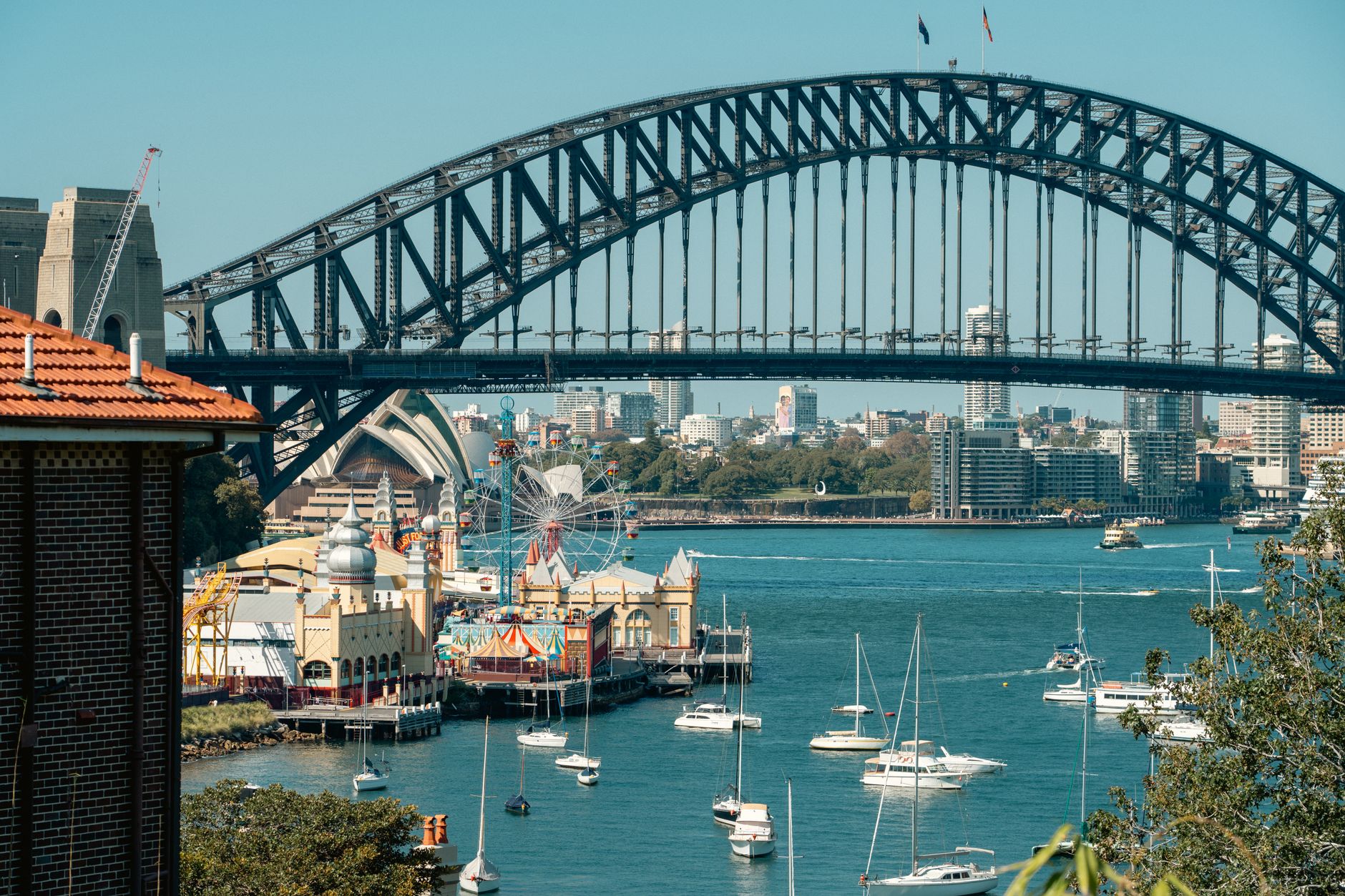
Sydney (NSW) — the best-known postcard shot: the Opera House, Harbour Bridge, city beaches. Usually the entry point for those coming from overseas.
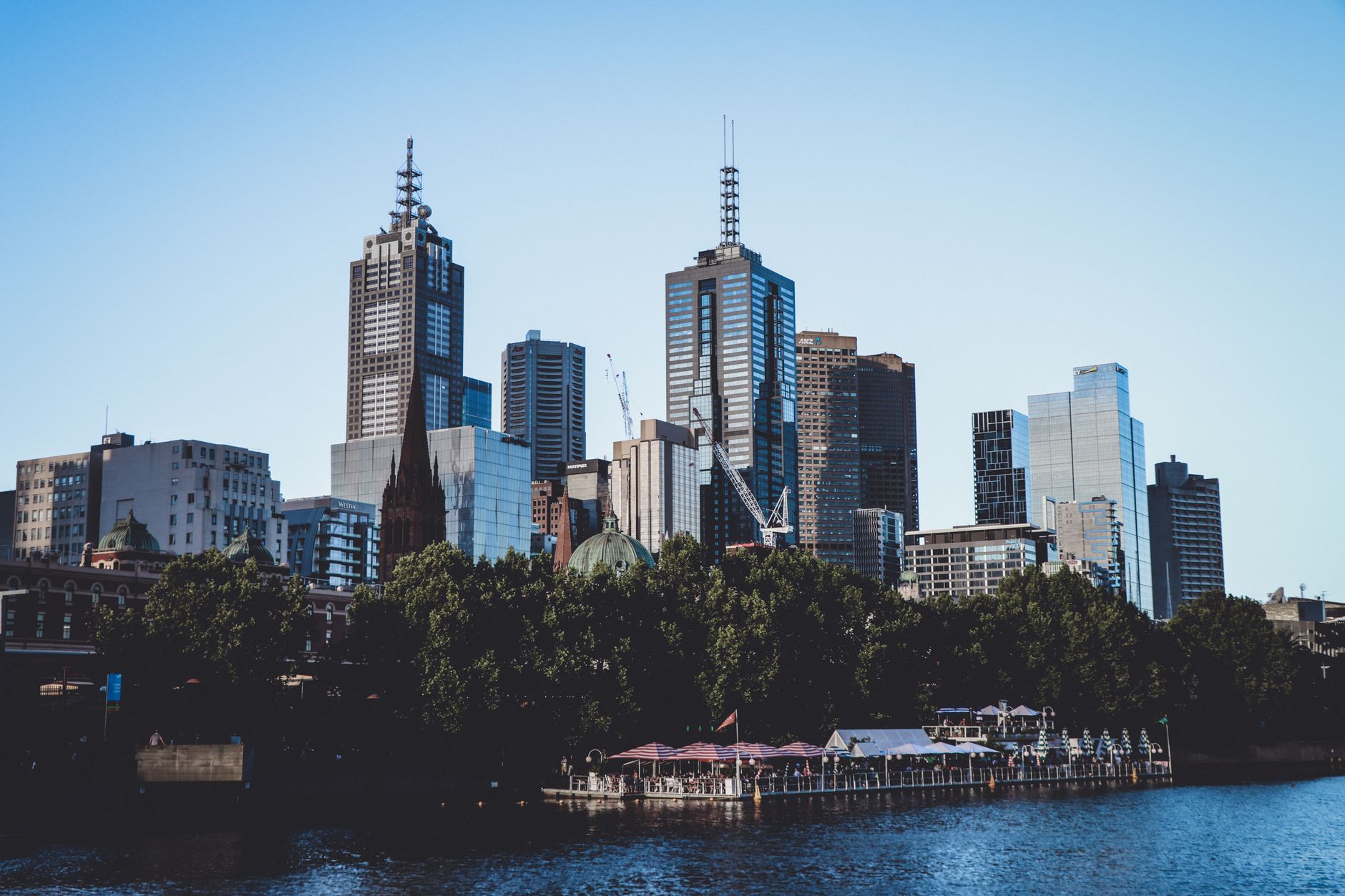
Melbourne (VIC) — culture, food, and the gateway to the Great Ocean Road. Rivals Sydney in size, but with a very different identity.
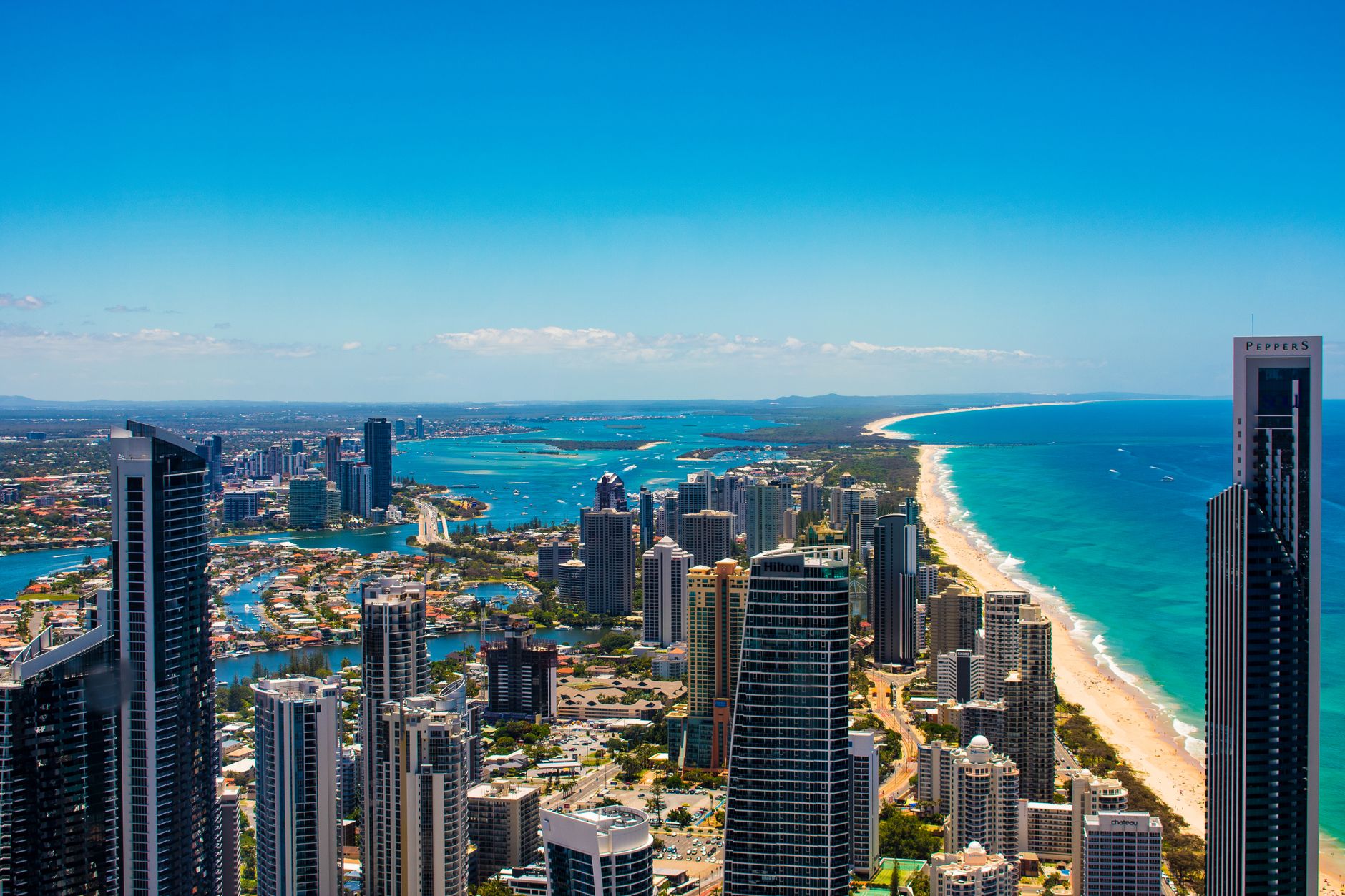
Gold Coast and Brisbane (QLD) — city beaches (Surfers Paradise) and theme parks on one side, a big city on the other, close enough to treat as a single region.
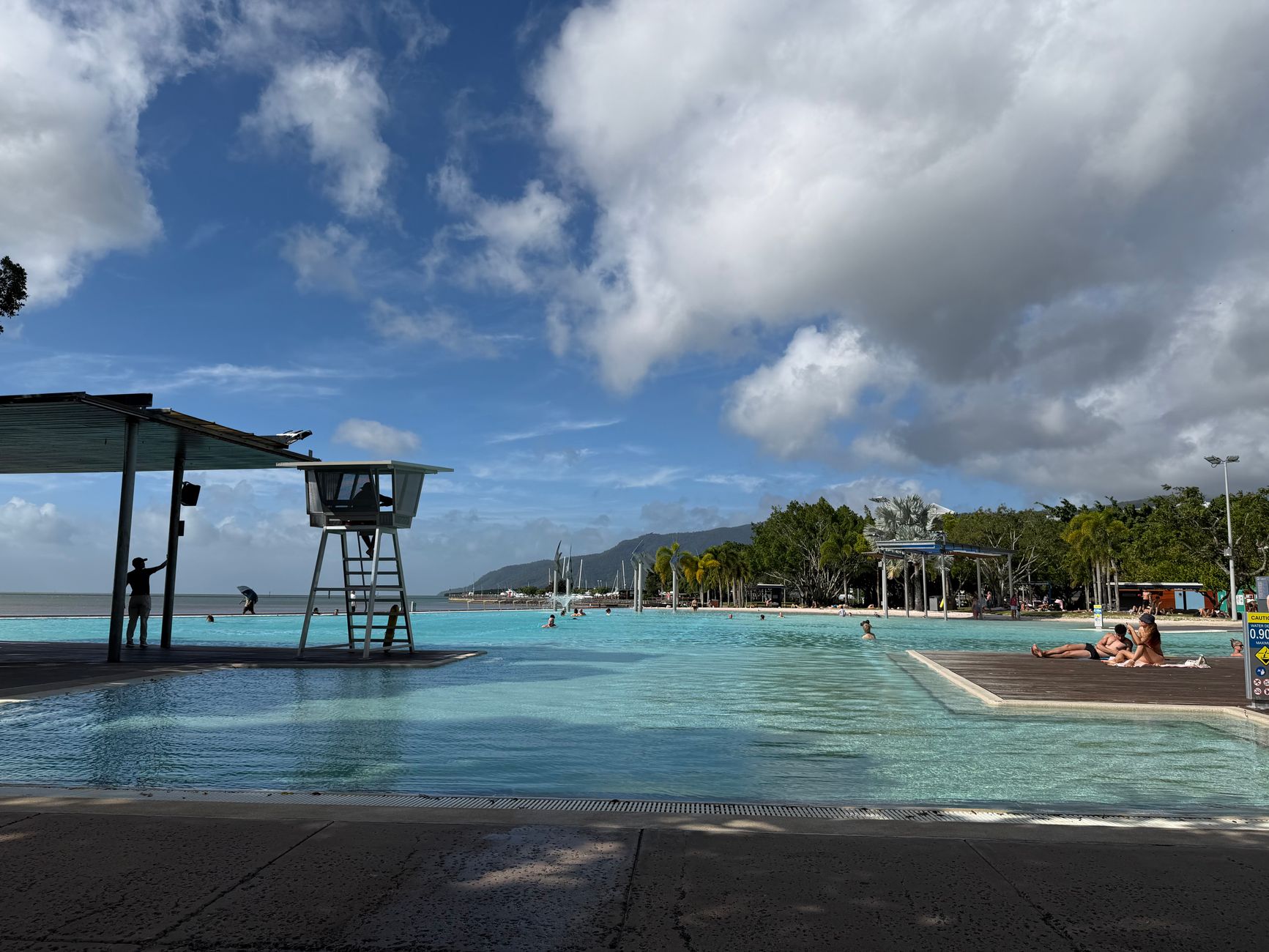
Cairns (QLD) — base for the Great Barrier Reef; the town itself is small, what matters is the tour logistics leaving from it.
Perth (WA) — the most isolated city in the country. Worth a note: because of the distance, it rarely fits into the same itinerary as the east coast — it tends to be its own trip.
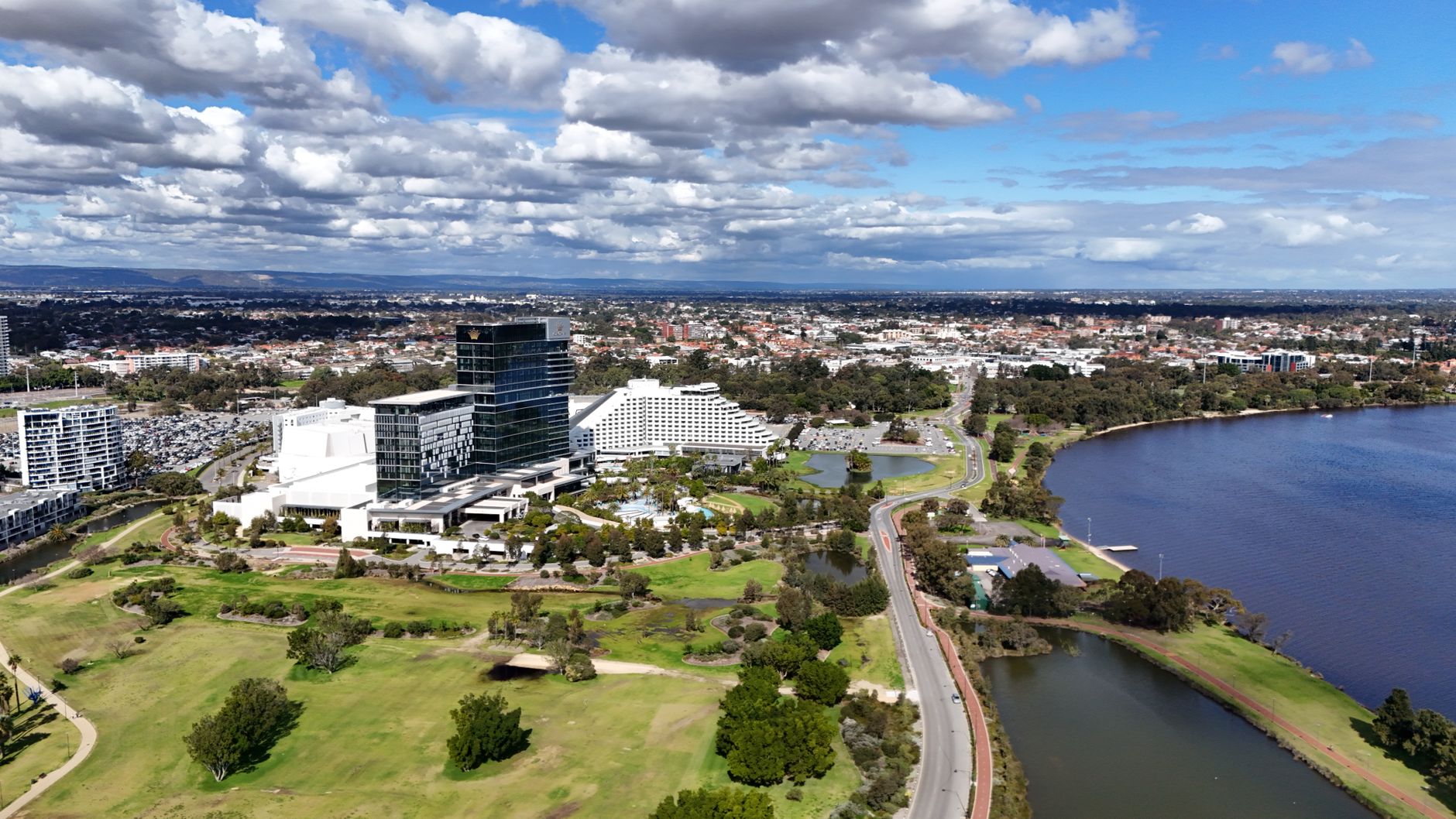
Adelaide (SA) — gateway to South Australia's wine regions.
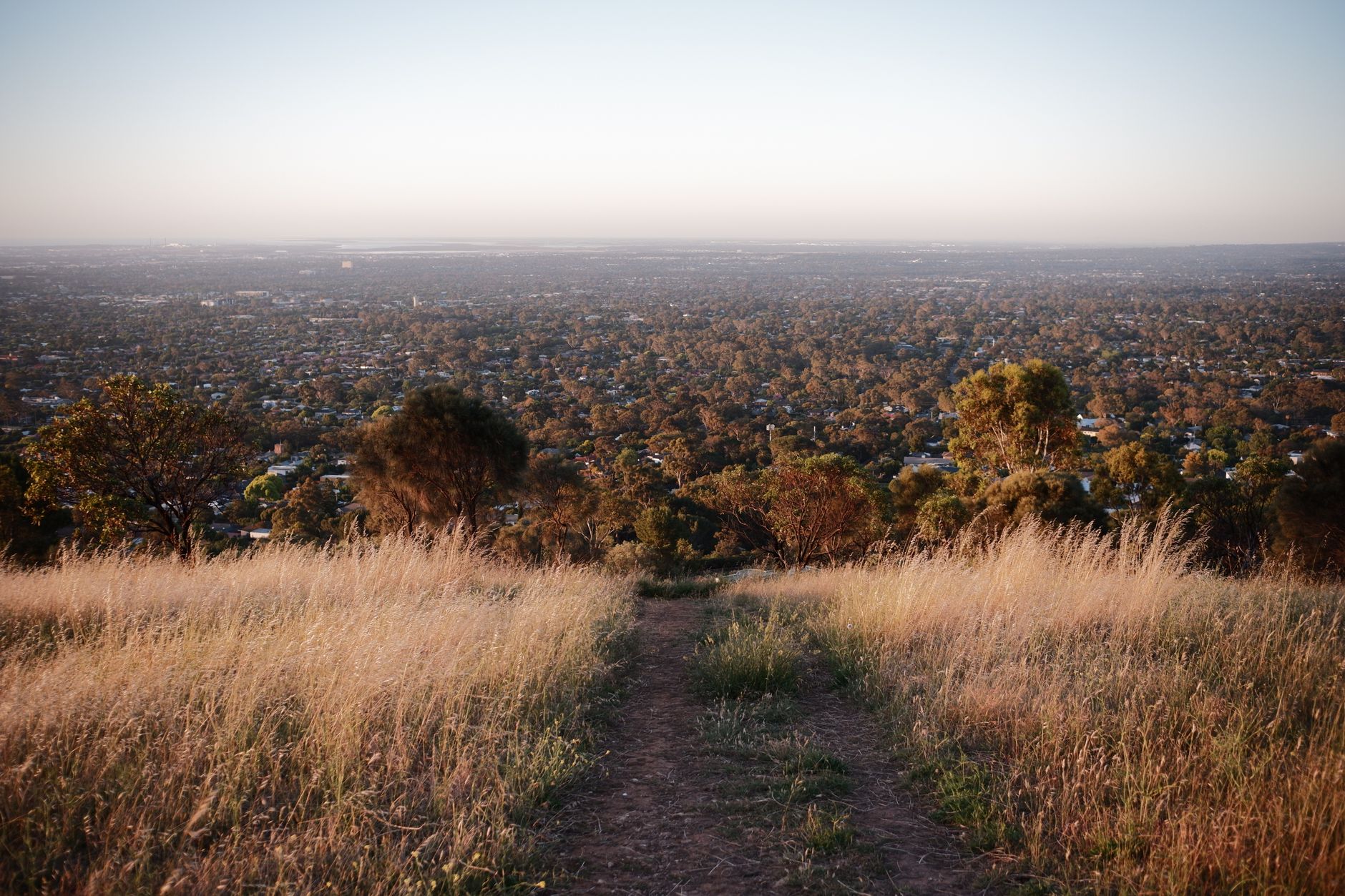
Between the cities: what's worth stopping for
Not everything worth seeing is a big city — several of Australia's most striking destinations sit between them, or are day trips from one of them:
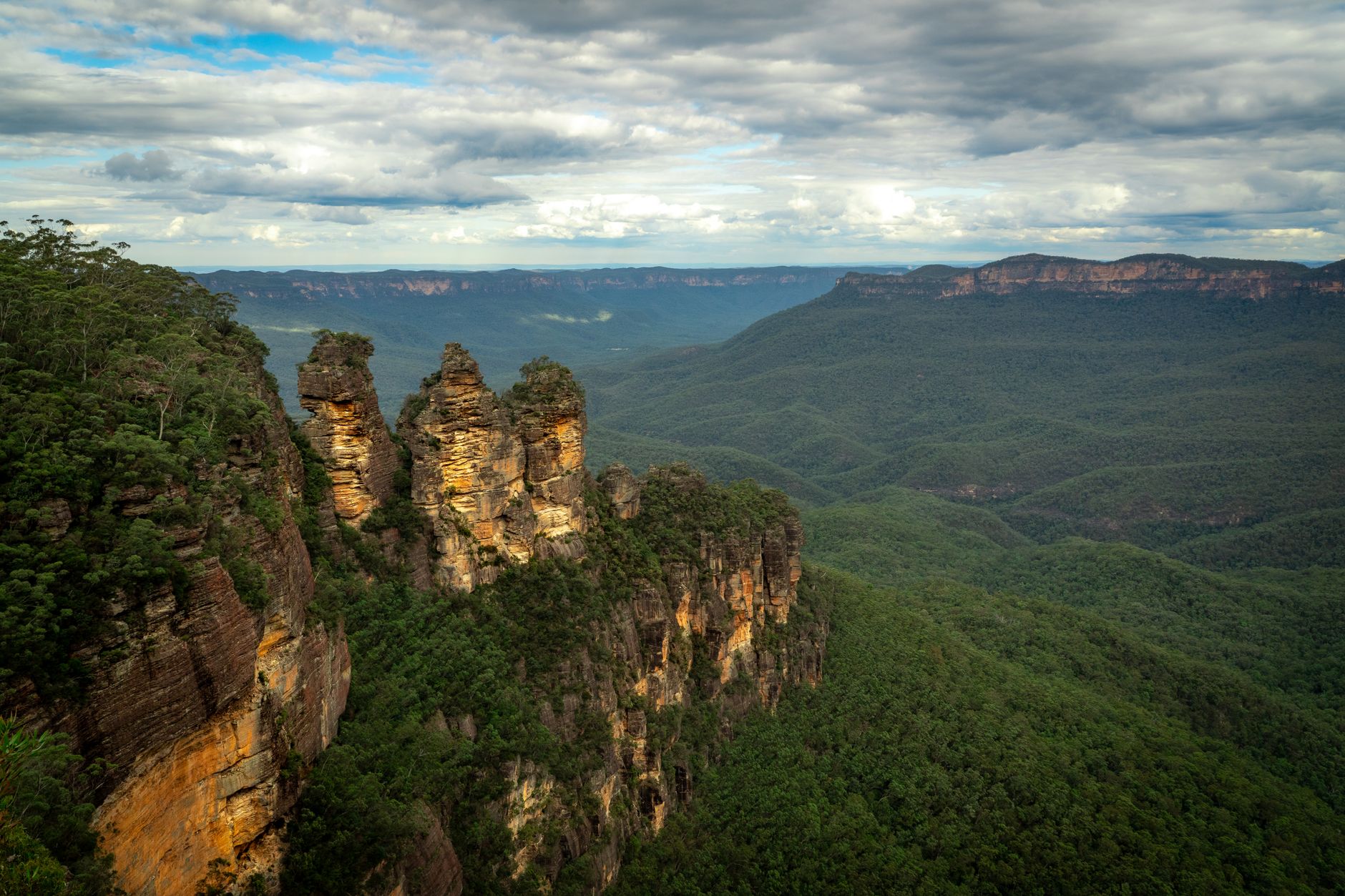
Leaving Sydney: the Blue Mountains (trails and lookouts, ~2h drive) and Hunter Valley (wineries). The road route between Sydney and Melbourne also has stops along the south coast of NSW (the Jervis Bay area) worth considering if you're driving.
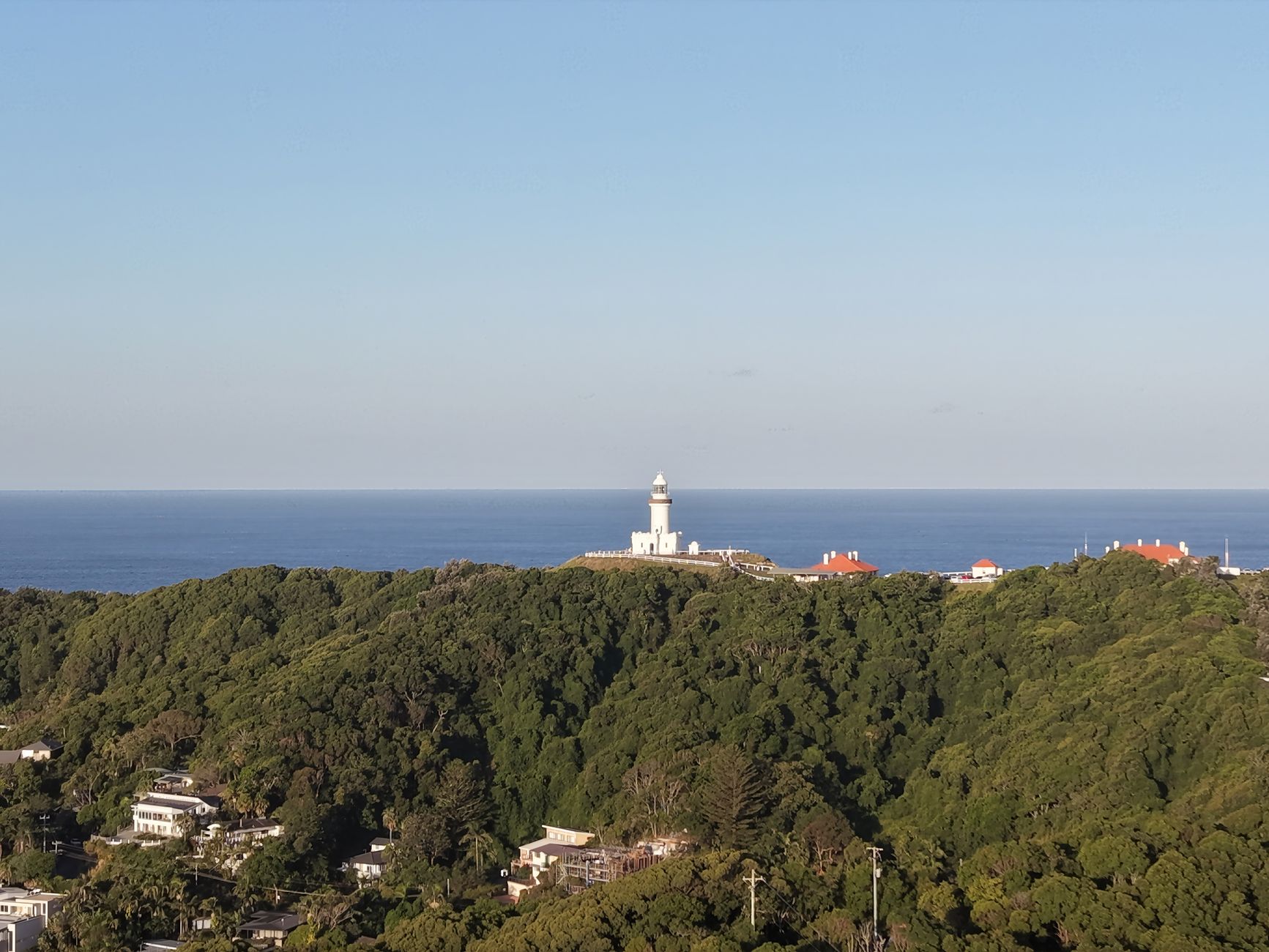
Between Sydney and Brisbane (the southern stretch of what's known as the East Coast): Byron Bay is the most sought-after stop — a beach town, laid-back vibe, turned digital nomad hotspot. Along the way you'll also cross Newcastle, Port Macquarie, and Coffs Harbour, smaller towns that road/bus travelers usually pass through.
Between Brisbane and Cairns (the northern stretch of the East Coast): Sunshine Coast and K'gari — the Sunshine Coast with Australia Zoo (Steve Irwin's legacy) and the town of Noosa, and K'gari (formerly Fraser Island), the largest sand island in the world, with dunes and freshwater lakes — and further north, the Whitsundays, a 74-island archipelago with Whitehaven Beach, one of the country's most photographed beaches (Airlie Beach is the base town).

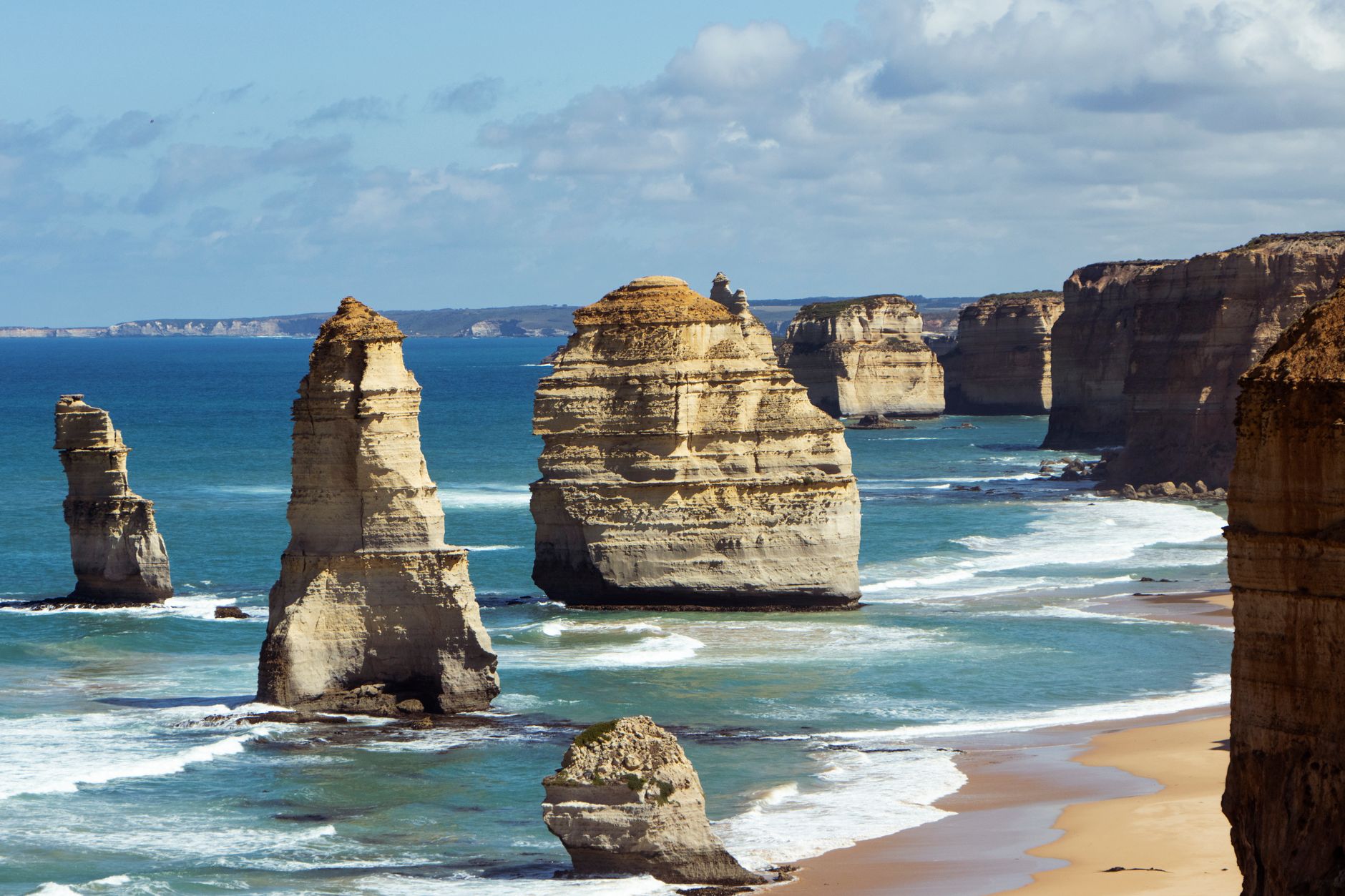
Leaving Melbourne: the Great Ocean Road is too big and important to be just a mention — you can do it in a rushed single day or spread it over 2-3 days — and the same road, followed further, is literally the driving route to Adelaide. Also leaving Melbourne: the Yarra Valley (wineries) and Phillip Island (penguin colony, dusk parade).
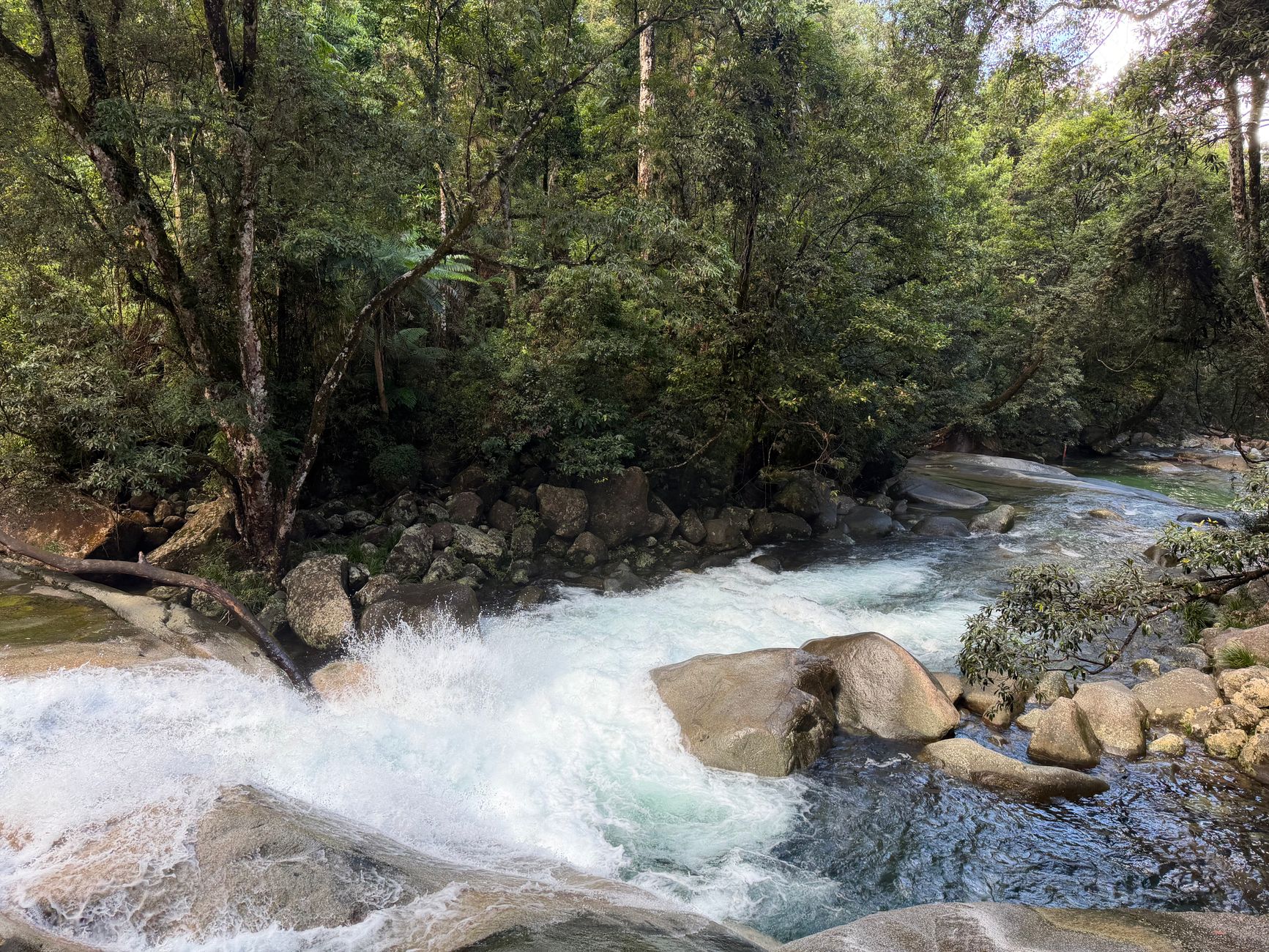
Leaving Cairns: the Daintree Rainforest (the oldest tropical rainforest in the world) and Kuranda (a mountain village, reachable by historic train or cableway). Port Douglas is a quieter alternative base to Cairns for those who prefer it.
Leaving Perth: Rottnest Island (famous for the quokkas, dubbed the "happiest animal in the world" on social media) and the Margaret River wine region.

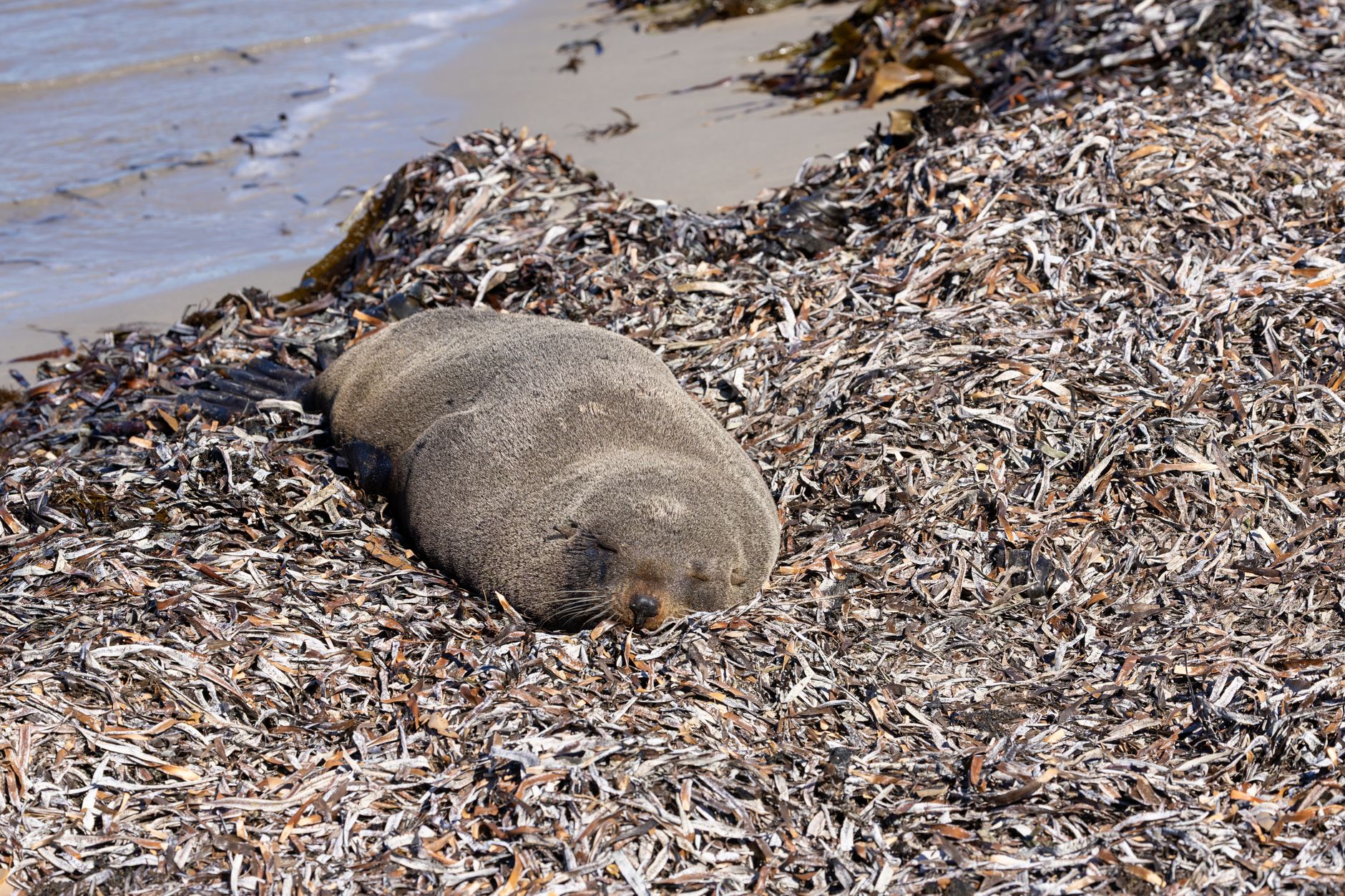
Leaving Adelaide: the Barossa Valley (the country's best-known wine region), McLaren Vale (closer, with its own coastline), and Kangaroo Island (wildlife — free-roaming koalas and sea lions). Details on McLaren Vale in the Adelaide guide.
Off the route: trips of their own
Two destinations don't fit into any linear route between cities — they require planning a trip around them:
Uluru / Red Centre (Northern Territory) — the monolith sacred to the Anangu people, in the middle of the desert. Reached by direct flight to the local airport or via Alice Springs. A standalone trip, usually 2-4 dedicated days.

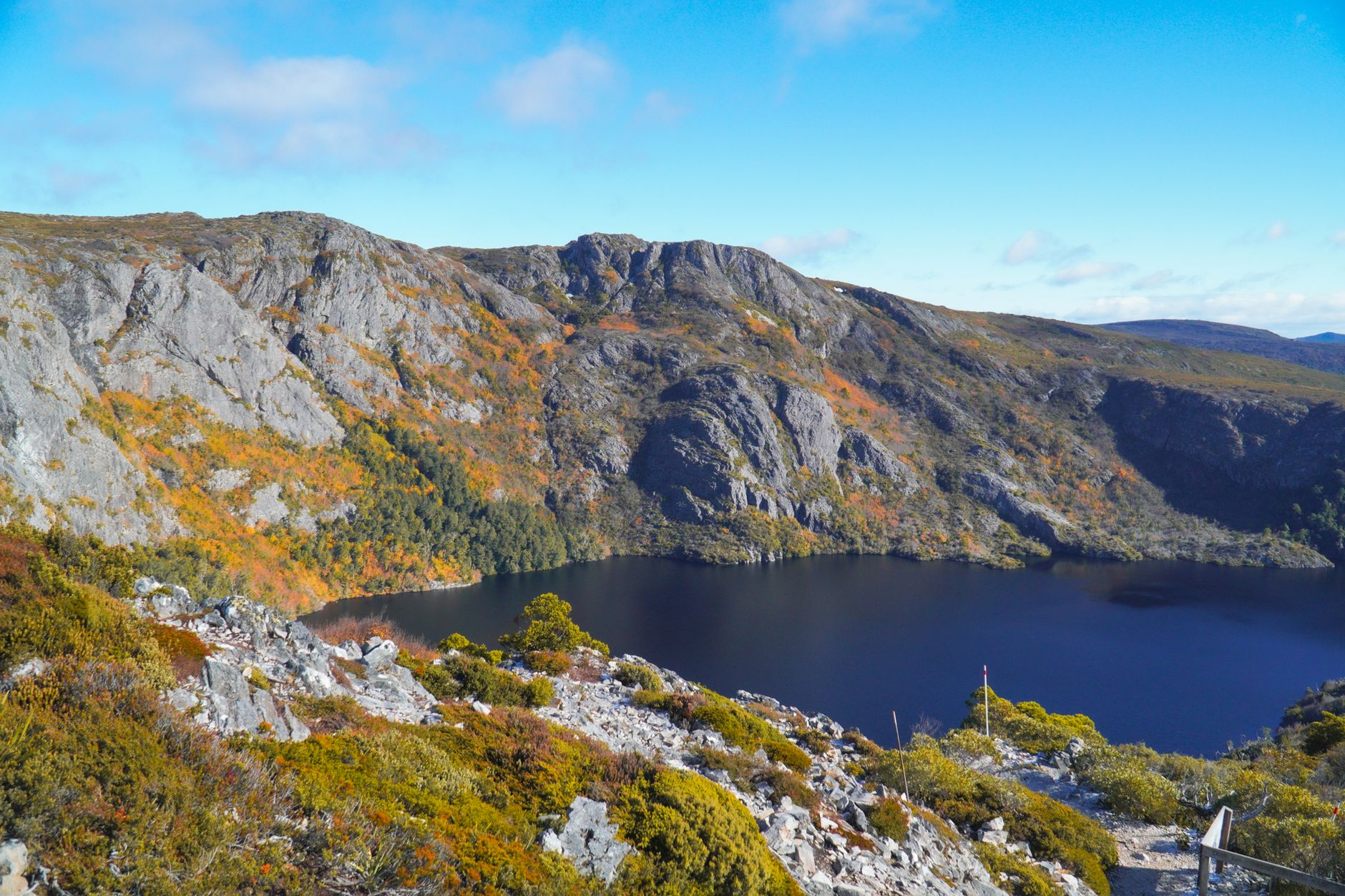
Tasmania — an island south of the mainland, reached by air or on the Spirit of Tasmania ferry from Melbourne. Has attractions of its own weight, like MONA (an internationally renowned contemporary art museum) and trails like the one at Cradle Mountain.
Even further and more niche — Darwin and Kakadu National Park (a UNESCO World Heritage Site), the Broome/Kimberley region (4x4 expeditions), and Ningaloo Reef on the west coast — tend to appeal more to those who've already visited Australia before or are traveling with a lot more time on hand.
How to plan: less is more
The most common mistake for first-time trip planners is trying to squeeze cities that are too far apart into a short itinerary. A reference table of direct flight times helps visualize this:
| Route | Flight time (approx.) |
|---|---|
| Sydney ↔ Melbourne | 1h35 |
| Sydney ↔ Brisbane | 1h25 |
| Brisbane ↔ Cairns | 2h30 |
| Sydney ↔ Cairns | 3h10 |
| Sydney ↔ Adelaide | 2h05 |
| Sydney ↔ Uluru (Ayers Rock) | 3h20 |
| Sydney ↔ Hobart (Tasmania) | 1h50 |
| Sydney ↔ Perth | 5h |
| Melbourne ↔ Perth | 4h25 |
Sydney-Perth alone is already longer than most international flights within South America. A practical recommendation: pick 1-2 regions per trip instead of trying to "see it all." The East Coast (Sydney→Cairns) is the most natural combination for a first trip — you can connect it by land or domestic flight without huge jumps.
Two different ways to travel
Not everyone travels by plane from city to city. Two formats deserve a mention:
East Coast route (backpacking): the Sydney → Byron Bay → Gold Coast/Brisbane → Sunshine Coast → K'gari → Whitsundays → Cairns route is the most traveled by independent travelers in the country, usually by bus (hop-on hop-off) or car, over 2 to 4 weeks.
Van/motorhome: traveling by van is a strong tradition in Australia, with rental companies spread across the major cities — including "relocation" deals (much cheaper rental to help the company move the vehicle back to its base). Works particularly well on the East Coast route itself.
Both formats deserve their own, more detailed guide — we'll come back to this soon.
How much it costs: two budget ranges
The values below are a broad reference — they change by city, season, and exchange rate, so treat them as a starting point, not a fixed budget:
| Profile | Daily range (AUD) | What it includes |
|---|---|---|
| Backpacker | ~70–110/day | Hostel (AU$15–40/night), cooking your own food or a simple meal (AU$10–25), public transport |
| Comfort | ~180–300/day | 3-4 star hotel, restaurant meals, paid guided tours |
Accommodation and travel between cities tend to be the biggest chunks of the budget — it's worth booking domestic flights in advance, prices climb a lot closer to the date.
Practical things nobody tells you
- Tap water is drinkable in practically the whole country — no need to buy bottled water for safety.
- Driving is on the left — if you're renting a car, it's the opposite of the South American standard; it takes some getting used to.
- Type I outlets (three triangular pins, 230V/50Hz) — different from most South American outlets, bring an adapter.
- Tipping isn't mandatory — unlike the US. At a fancier restaurant, ~10% is welcome, but not expected as a rule.
Common mistakes first-time planners make
Underestimating distance. "Since I'm in Australia, I'll see Sydney and Uluru and Cairns in a week" is the classic mistake — each leg already eats up a whole day of travel.
Ignoring the north/south season flip. Planning the whole trip for July thinking "it's winter, I'll avoid the heat" misses that July is exactly the best time to visit the tropical north.
Not booking domestic flights in advance. Domestic airfare rises a lot closer to the date, especially around Australian public holidays.
Comments
Have something to add or a question? Leave a comment below — your experience can help other immigrants in Australia.
Comments are public. You can delete yours from the same browser and device you used to post.
Loading comments…